What we do
As part of the Department of Planning and Development, the Division of Housing and Community Development (DHCD) funds programs that help Philadelphia offer:
- Homes for people at all income levels.
- Commercial corridors with thriving businesses.
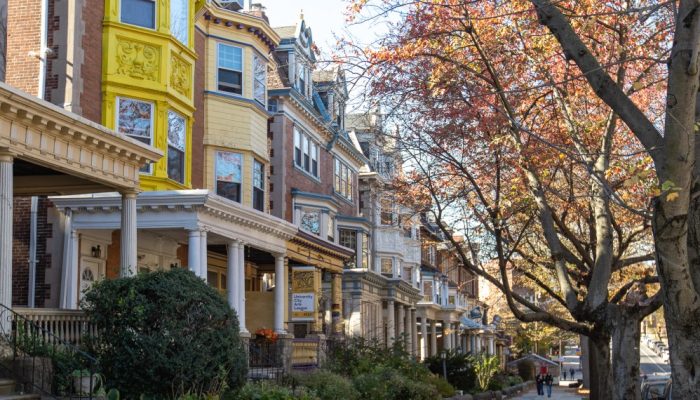
- Healthy neighborhoods.
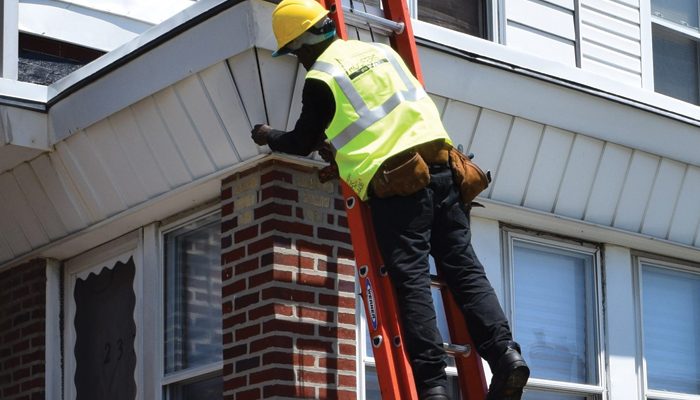
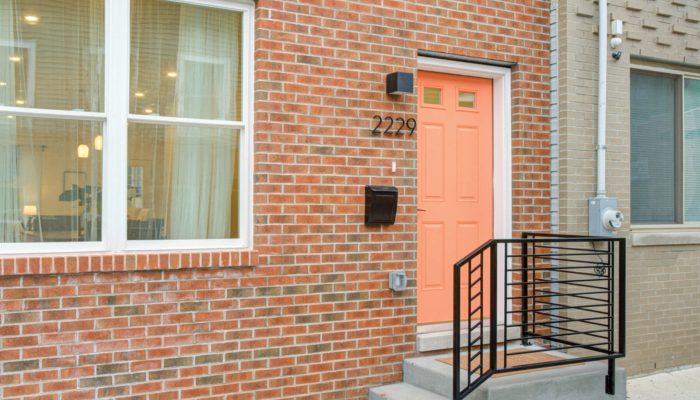
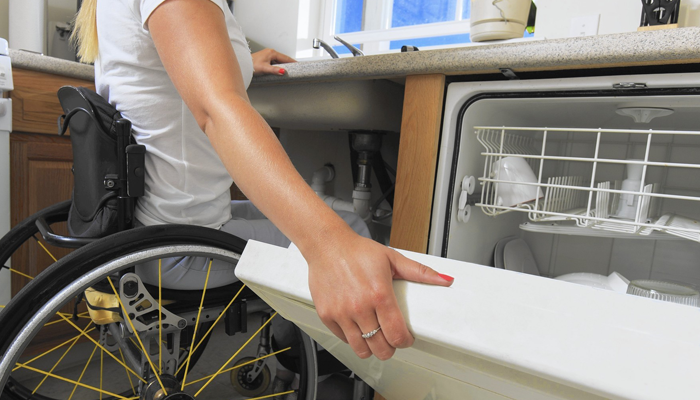
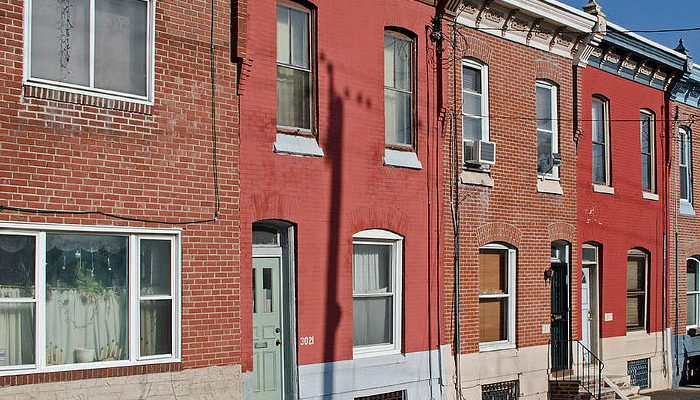
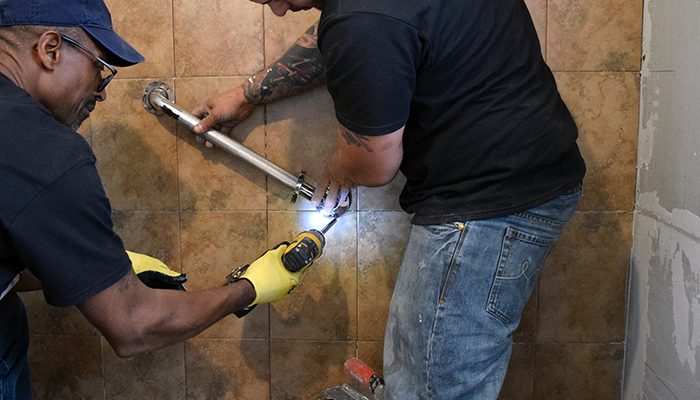
The programs we support help people buy their first homes or repair the one they’re in. They save families from foreclosure and eviction. They help homeless people with HIV/AIDS find permanent housing and people with disabilities live more independently. Our programs support small businesses and tend to Philadelphia’s vacant lots.
DHCD funding helps developers build new affordable homes and preserve existing ones. Those projects also create jobs in neighborhoods across the city. Our funding helps create better designed neighborhoods with engaged residents.
We’re working toward a city that has a place for everyone.
Connect
| Address |
1234 Market St.
17th Floor Philadelphia, PA 19107 |
|---|---|
|
info.dhcd |
|
| Phone |
Phone:
(215) 686-9749
TTY: (215) 686-9803
|
| Social |