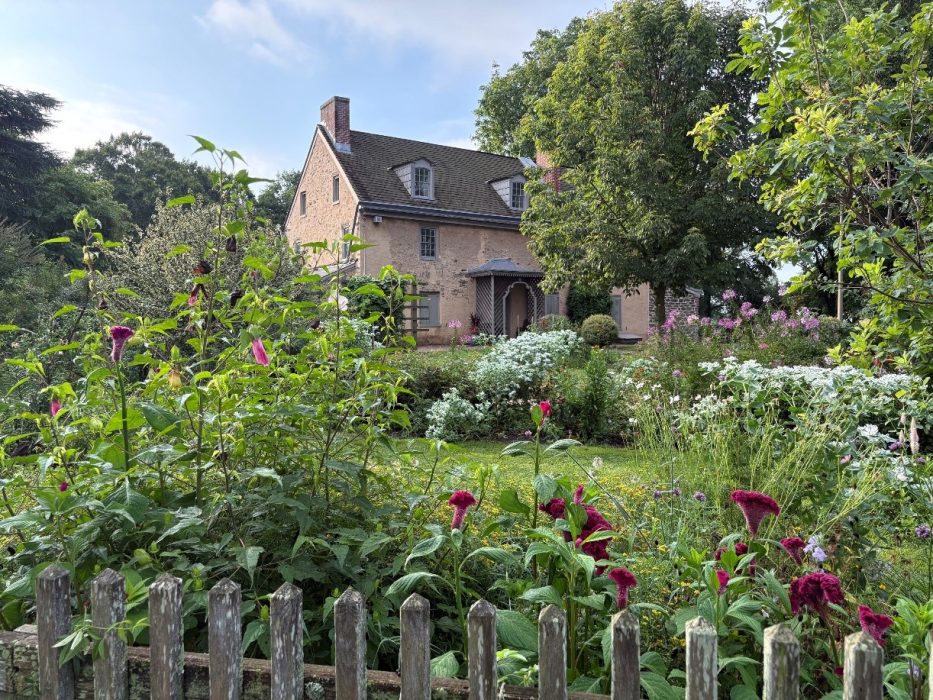
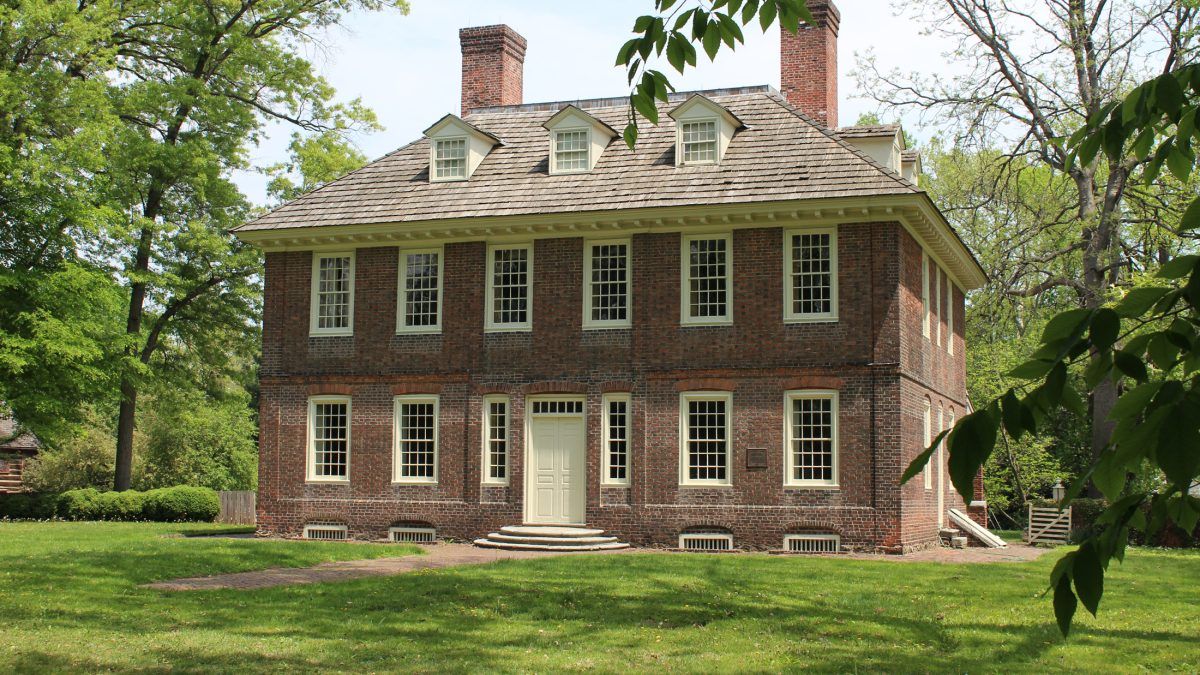
One of Philadelphia’s best-preserved colonial houses stands at 4601 N. 18th Street, on the edge of Germantown. This house, called Stenton, is a remarkable witness to the city’s early history. Built in the 1720s as a country estate for James Logan—secretary to William Penn, founder of Pennsylvania—Stenton reflects both the elegance and complexity of the Logan family’s colonial life.
James Logan
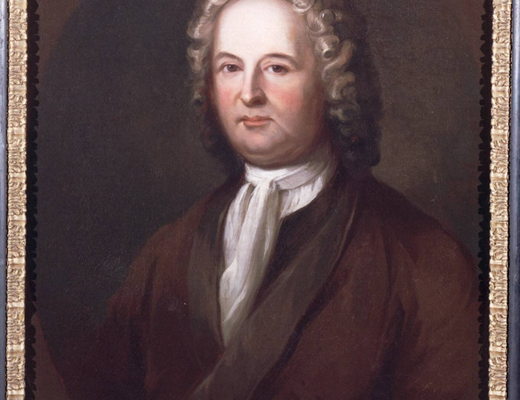
Logan was a merchant, scholar, and statesman who helped shape the political and cultural life of early Pennsylvania. A devout Quaker, Logan arrived in Philadelphia with Penn in 1699. When Penn returned to England two years later, Logan became one of the colony’s most influential figures. He served as the Penn family’s agent, a justice, and a political leader. Through trade, landholding, and public office, he amassed considerable wealth. Seeking a quiet retreat from the growing bustle of Philadelphia, he purchased more than 500 acres of farmland in rural Germantown and named it Stenton after his father’s home village in Scotland.
An Elegant Home, Witness to History
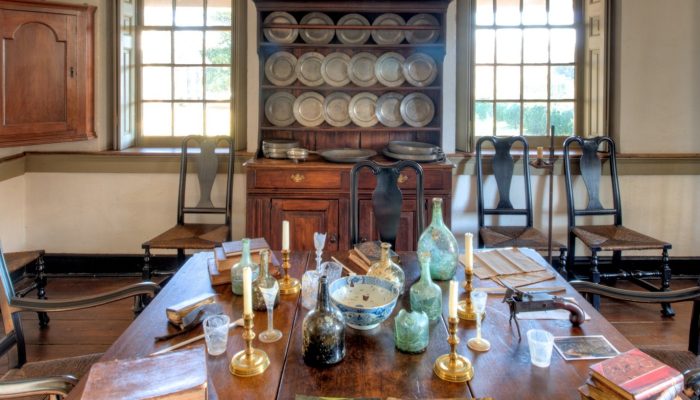
Though Logan described his plans for Stenton as a “plain, cheap farmer’s stone house,” it evolved into a grand brick mansion in the early Georgian style. [BB2.1][TM2.2]Inside, Logan surrounded himself with evidence of his learning and taste. He commissioned fine, Philadelphia-made furnishings and assembled a personal library of nearly 3,000 volumes—one of the largest in colonial America. After his death, this collection became part of the Library Company of Philadelphia, the city’s first lending library.
Stenton stood at the center of dramatic moments in the nation’s history. During the Battle of Germantown in 1777, both British and American troops passed through the area. Despite the turmoil, the house remained largely undamaged and stayed in the Logan family for six generations.
Acknowledging a History of Exploitation
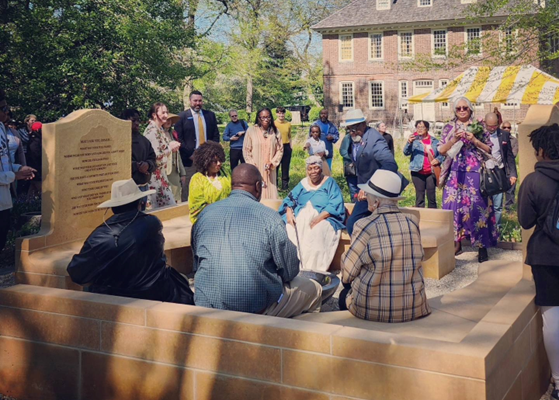
The estate’s beauty, however, rested on complex social foundations. Daily life at Stenton depended on the labor of enslaved Africans, indentured servants, and free workers. Among them was Dinah, an enslaved woman who had lived and worked in bondage at Stenton for over 50 years and was freed in 1776. Her quick thinking during the Revolution—convincing a British officer to arrest soldiers who were planning to burn the house—saved Stenton from destruction and earned her lasting recognition.
In 1912, a plaque honoring Dinah’s bravery and loyalty was placed in Stenton Park, one of the earliest memorials to an enslaved African American woman. Its removaldecades later inspired renewed efforts to tell her story. In 2024, Stenton and community partners unveiled a new Dinah Memorial by artist Karyn Olivier, celebrating her courage and legacy.
Legacy and Preservation
Today, Stenton is owned by the City of Philadelphia and cared for by the Colonial Dames of America in the Commonwealth of Pennsylvania. Visitors can explore its rooms, outbuildings, and peaceful grounds, stepping into a rare survivor of eighteenth-century Philadelphia life.
Stenton was added to the Philadelphia Register of Historic Places in 1956.