Early development
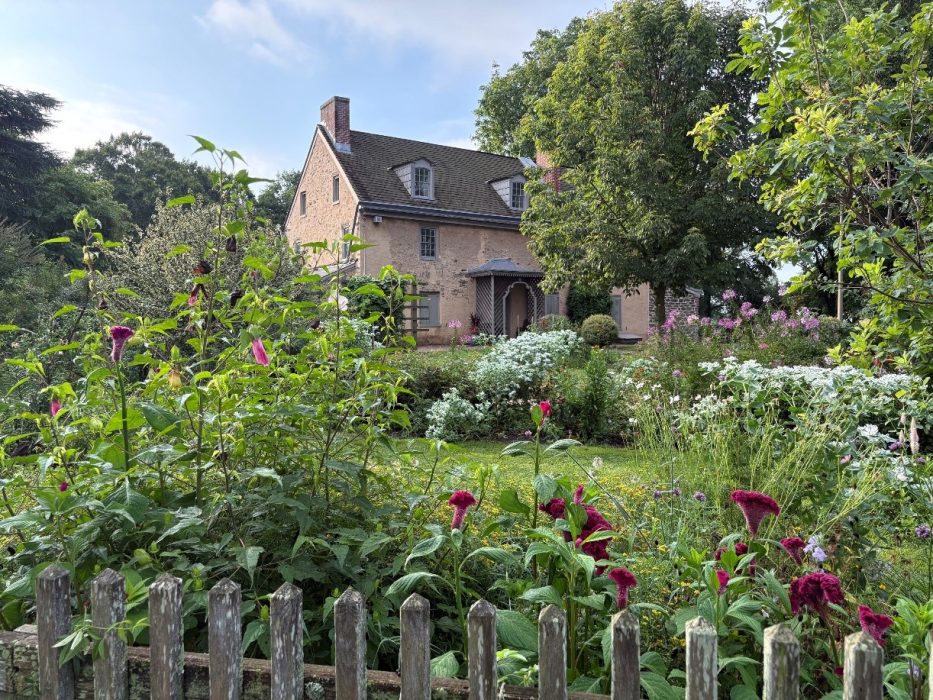
Bartram’s Garden (2901 S. 56th St.) is widely recognized as the oldest surviving botanical garden in North America. In 1728, self-taught naturalist John Bartram purchased a 102-acre property on the Schuylkill River. This property was previously occupied by Swedish settlers in the 17th century. Soon after the purchase, he built a stone house and established a garden on it. Bartram was driven by an insatiable curiosity for plants and natural science. This pursuit earned him friendships with notable figures such as Benjamin Franklin, James Logan, and especially Peter Collinson, a fellow of the Royal Society in London. Through written letters, Bartram began exchanging seeds and botanical specimens with leading European scientists and collectors, including Carl Linnaeus and Sir Hans Sloane.
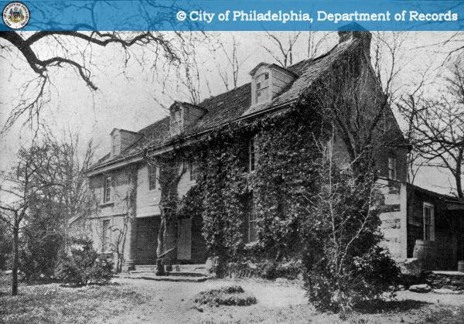
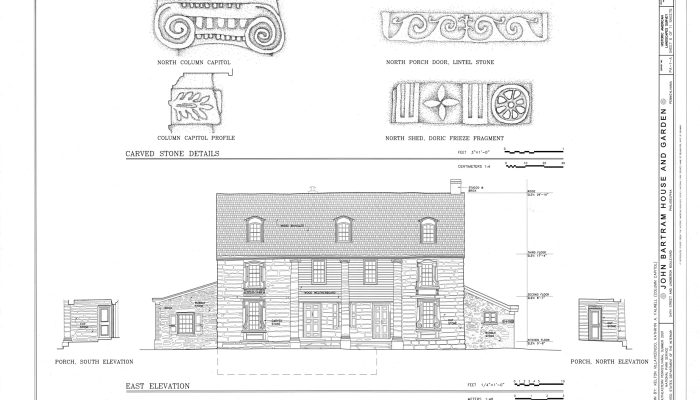
Bartram’s efforts transformed his modest garden into an international hub of botanical innovation. Throughout the 18th century, he expanded the grounds to accommodate various ecosystems: ponds, swamps, and forested areas. He also constructed greenhouses to accommodate the diversity of North American plants he collected on expeditions throughout the colonies. By the mid-18th century, his garden was regarded as the most extensive collection of North American plants in the world. Bartram continued working on his stone house periodically over the next four decades. He incorporated various design elements from classic Italian villas, like distinctive carved Ionic columns and Baroque window surrounds with carved stone panels set below.
Continuing a legacy
Following John Bartram’s death in 1777, his sons William Bartram and John Bartram Jr. continued his legacy. William, a respected botanical illustrator and plant collector, helped cement the garden’s international reputation. The garden became a meeting place and resource for prominent botanists such as André Michaux, Benjamin Smith Barton, Thomas Say, and Frederick Pursh. Influential figures including George Washington and Thomas Jefferson visited and acquired plants for their own estates, and the site became a destination for members of the Continental Congress.
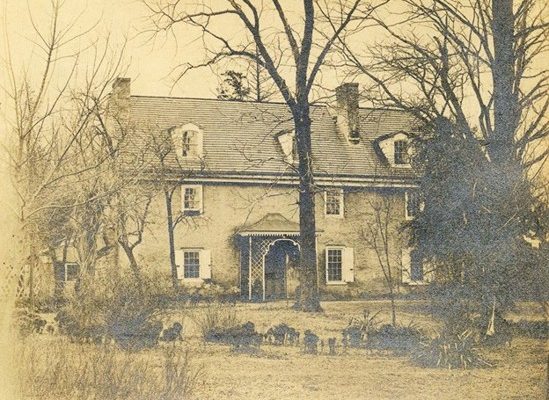
In the early 19th century, under the stewardship of Bartram’s granddaughter Ann Bartram Carr and her husband Robert Carr, the garden flourished as a commercial nursery and public attraction. They expanded the garden to 12 acres with 10 greenhouses, boasting over 2,400 plant species. To attract the public, they also introduced leisure activities like ice cream sales and steamboat rides. However, financial troubles eventually forced the sale of the property in 1850 to railroad magnate Andrew Eastwick, who preserved the original Bartram house and integrated it into his estate.
Restoration & preservation
After Eastwick’s death, the garden fell into neglect. Preservation efforts led by botanist Thomas Meehan and Charles S. Sargent prompted the City of Philadelphia to acquire and protect the property in 1891. The John Bartram Association, founded by Bartram descendants in 1893, worked with the University of Pennsylvania and the Fairmount Park Commission to restore and preserve the site.
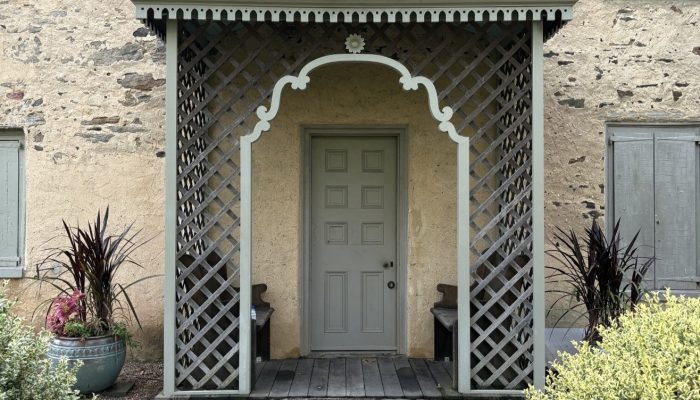
In recognition of its vital role in American botanical history, the U.S. Department of the Interior designated Bartram’s Garden a National Historic Landmark, in 1960. Today, Bartram’s Garden continues to serve as a center for public education and historical interpretation, preserving important plant specimens and maintaining its legacy as a critical hub for botanical science, education, community and preservation.
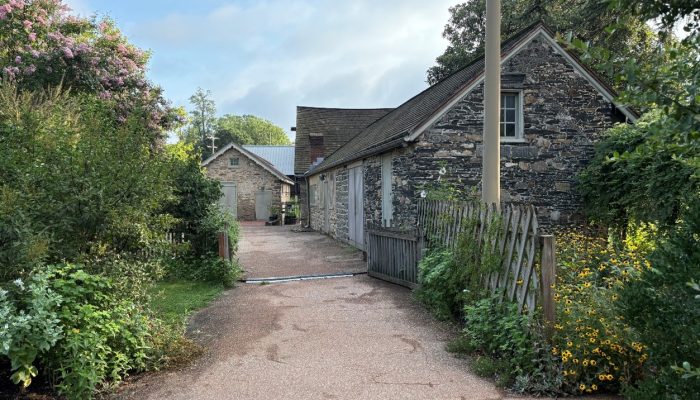
Bartram’s Garden was added to the Philadelphia Register of Historic Places in 1956.