Over the past few weeks, Philadelphia has experienced several extreme weather events.
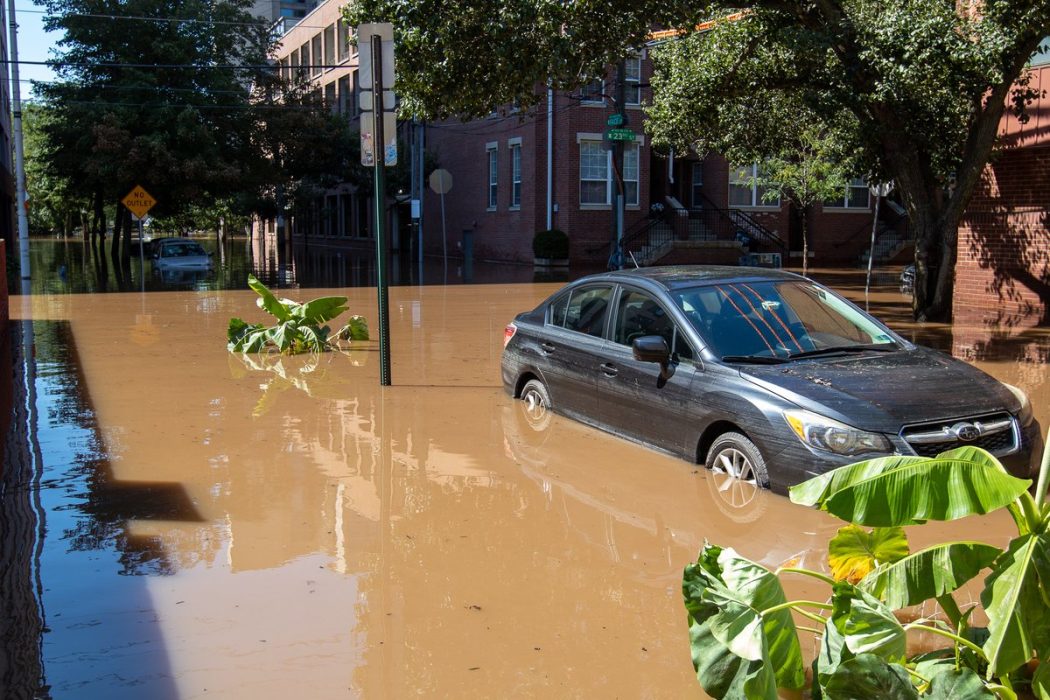
On June 22, severe storms brought heavy rain that caused flooding in neighborhoods including Germantown and West Oak Lane.
During the July 4th weekend, temperatures rose above 100°F, leading the City to declare a Heat Health Emergency and Code Red.
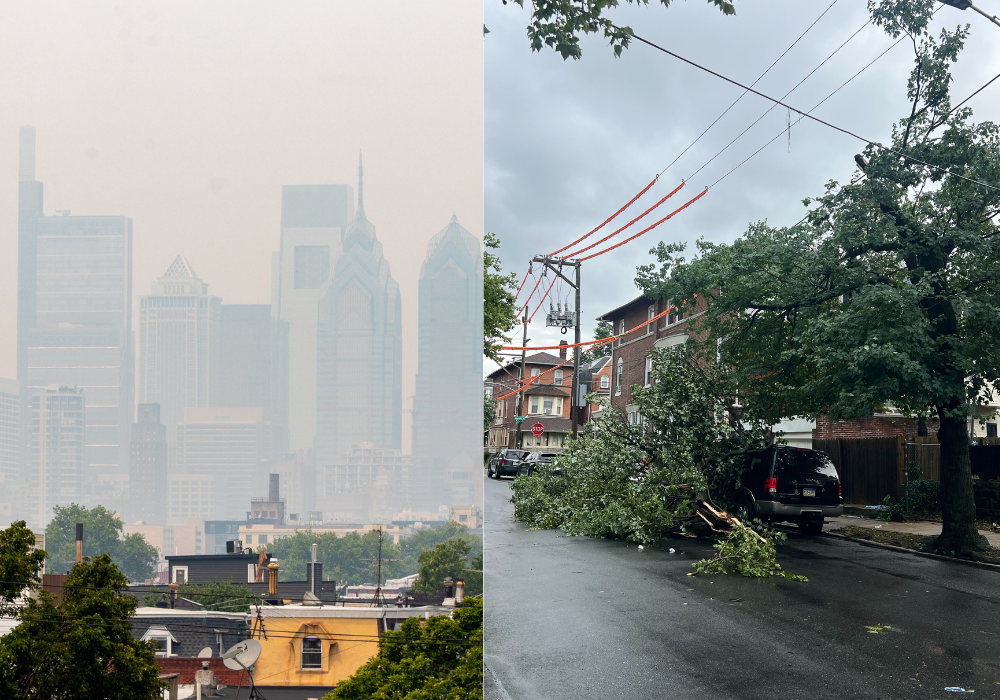
Just one week later, on July 11, powerful thunderstorms brought heavy rain, strong winds, and flooding to parts of the city. In one area of West Philadelphia, an inch of rain fell in just five minutes, making it one of the most intense rainfall events ever recorded in the city.
Last week, Philadelphia was once again experiencing extreme heat and wildfire smoke from Canada that lowered air quality across the region.
While no single weather event can be blamed on climate change, these types of events are becoming more common.
Philadelphia is getting hotter and we are experiencing heavier rainstorms, and more days with poor air quality. Scientists expect these trends to continue as the climate changes.
In Philadelphia, temperatures are expected to keep rising, and more rain is expected to fall during heavy storms. By 2080, the city could see up to three weeks each year with temperatures above 100°F and as many as five heat waves each year. Across the Northeast, very heavy rainstorms have increased by about 60 to 70% since the 1960s. This is the largest increase of any region in the United States. Climate change is also making Philadelphia’s air quality worse.
Why is this happening?
As the climate warms, our weather changes too.
Hotter temperatures make heat waves happen more often and last longer. A warmer atmosphere can hold more moisture, which means storms can produce heavier rain in a shorter amount of time. Hotter and drier conditions also help wildfires grow larger. Smoke from those fires can travel long distances and reduce air quality in Philadelphia.
Climate change is increasing the risks from heat, flooding, and poor air quality. Learning about these hazards and preparing for them can help keep you and your community safe.
For more information about heat health emergencies and what residents can do to stay safe, visit the City’s heat health emergency blog and Extreme Heat Guide.
To see the current air quality at the City’s air quality monitors near you, visit Breathe Philly.
To stay informed about emergencies, including weather and public health events, sign up for the City’s free emergency alert notification system on the ReadyPhiladelphia website or by texting READYPHILA to 888-777.