

Philadelphia’s City Council has approved a budget for Fiscal Year 2027 (FY27) that includes important tax changes. The City is changing how its Use & Occupancy (U&O) Tax is calculated for properties with cell towers.
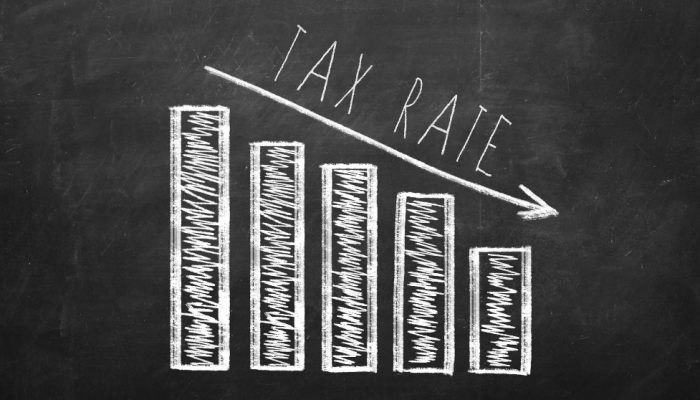
As in FY26, several tax rates are going down in FY27, with more reductions through FY30. The rate cuts are part of a five-year, gradual tax-cut plan approved by the Philadelphia City Council in June 2025.
Changes to the Use & Occupancy Tax
Telecommunications companies use properties throughout Philadelphia for infrastructure that supports wireless service. A bill approved by City Council on June 11, 2026, changes how the U&O Tax is calculated for properties with cell towers.
The new calculation method is intended to ensure that cell towers are taxed consistently and appropriately. This change is expected to generate approximately $2.4 million annually for Philadelphia public schools.
The U&O Tax applies when you use a property in Philadelphia for business purposes. You may owe the tax whether you own, rent, or sublease the property. It can also apply if you operate a business from your Philadelphia home.
What’s changing?
Beginning January 1, 2027:
- The U&O Tax for a cell tower will be based only on the tower’s assessed value.
- The amount of space the tower occupies on the property will no longer be included in the calculation.
- Any U&O Tax owed for the remainder of the property will continue to be calculated under the existing rules.
What does this mean?
Beginning January 1, 2027, the Department of Revenue will begin calculating U&O Tax for properties with cell towers based on the tower’s assessed value, not the amount of space it occupies:
[Cell tower assessed value × 1.21% = U&O Tax]
The Office of Property Assessment determines the assessed value.
BIRT, Wage Tax rates drop again
Several Philadelphia tax rates will drop in FY27, providing additional tax relief for residents and businesses. The rate cuts are part of a five-year, gradual tax-cut plan approved by the Philadelphia City Council in June 2025.
Wage Tax and Earnings Tax
Beginning July 1, 2026, employers must withhold Wage Tax at the following rates:
- Philadelphia residents: 3.735% (down from 3.74%)
- Non-residents: 3.425% (down from 3.43%)
The Earnings Tax rates will also decrease:
- Philadelphia residents: 3.735% (down from 3.74%)
- Non-residents: 3.425% (down from 3.43%)
Both taxes apply to wages, salaries, commissions, and other compensation. The difference is how they are paid.
If your employer withholds Philadelphia Wage Tax from your paycheck, they submit it to the City on your behalf. If your employer does not withhold the Philadelphia Wage Tax, you need to file and pay the Earnings Tax yourself through the Philadelphia Tax Center.
Net Profits Tax and School Income Tax
For tax year 2026, the Net Profits Tax (NPT) rate will be:
- Philadelphia residents: 3.735% (down from 3.74%)
- Non-residents: 3.425% (down from 3.43%)
The NPT applies to net profits earned from a business, profession, or other for-profit activity in Philadelphia. Even if your business does not earn a profit, you must still file an NPT return to avoid interest and penalties.
The School Income Tax (SIT) rate for Philadelphia residents will also decrease to 3.735%, down from 3.74%.
The SIT applies to certain types of unearned income, including dividends, royalties, some interest income, Pennsylvania Lottery cash winnings, and qualifying short-term rental income.
Business Income and Receipts Tax
The Business Income and Receipts Tax (BIRT) rates for tax year 2026 will be:
- Net income tax: 5.65% (down from 5.71%)
- Gross receipts tax: 1.395 mills (down from 1.410 mills)
The BIRT applies to businesses that operate in Philadelphia.
The new BIRT, NPT, Earnings, and SIT rates apply to tax year 2026 returns, which are filed and paid in 2027.