Eastwick experiences repetitive, catastrophic flooding stemming from the tidal Cobbs and Darby creeks. Flood risks are expected to grow with climate change, making more of the neighborhood vulnerable to future flooding. Flooding comes from several sources, so a single solution is not enough. Through a community-driven planning process, the Office of Sustainability (OOS) worked with community leaders and partners to design a strategy that protects Eastwick now and into the future.
The Eastwick Flood Resilience Strategy
The Eastwick Flood Resilience Strategy aims to address current and future flooding impacts in Eastwick.
It explores four types of flood resilience measures that address different kinds of flooding. These are:
- Blocking water: Levees, berms and barriers to contain or redirect water.
- Storing water: Nature-based solutions, such as restoring wetlands.
- Moving away from risk: Buying flood-prone properties from interested homeowners, then returning the land to natural use.
- Moving water: Stormwater infrastructure improvements that can move water more effectively.
The Eastwick Flood Resilience Strategy recommends seven flood resilience projects to reduce flood risks for residents in a comprehensive way. Some of these projects, like the Cobbs Creek levee, have been under consideration for years, while others were developed more recently. The Strategy describes the projects, benefits, and next steps for implementing the projects.
Creating the strategy
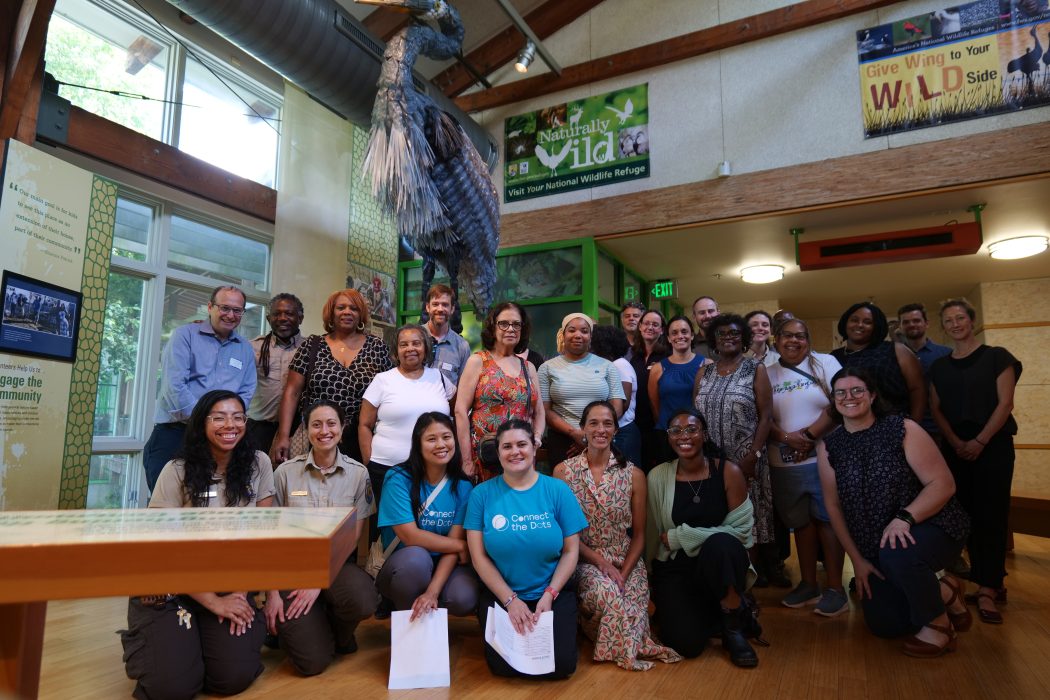
The Flood Mitigation Council of Eastwick (FMCE) guided the Eastwick Flood Resilience Strategy’s development. Convened by OOS and the Nature Conservancy, the Council is composed of 10 residents representing different areas of Eastwick. Between July 2024 and March 2026, the group met monthly to:
- Confirm flood risk challenges.
- Weigh in on project concepts.
- Advise community engagement.
- Educate neighbors and friends.
- Co-design the final Eastwick Flood Resilience Strategy.
The Council will continue to meet and advise on the flood resilience project implementation. In addition to guiding the Eastwick Flood Resilience Strategy, the Council informs the Nature-based Solutions Feasibility Study, led by the John Heinz National Wildlife Refuge and the Nature Conservancy.
The project was supported by a combination of funds, including from the Federal Emergency Management Agency (FEMA), the William Penn Foundation, and City of Philadelphia.
What’s next
The strategy will take time to plan and construct. OOS is continuing to work with partners and apply for funding to advance planning, design, and construction of the different flood resilience measures. In the meantime, the City is working on a near-term flood barrier project to address current flood impacts.