
Across the U.S., there’s been an increase in diarrhea caused by a parasite called Cyclospora. Iceberg lettuce has been recalled because people who have eaten that lettuce have gotten sick. Here’s why, and what you can do about it.
What’s going on?
Thousands of people, in multiple states, have gotten sick with a disease called cyclosporiasis (pronounced: sike-low-spore-I-uh-sis).
Cyclosporiasis comes from a parasite called Cyclospora. People can get sick eating food or drinking water contaminated with human poop containing Cyclospora.
People can get cyclosporiasis in many countries, but it is most common in tropical and subtropical regions. More people tend to get it during the summer season. Cyclosporiasis outbreaks in the United States have often been linked to imported fresh produce and to people who have traveled to areas where Cyclospora is more common.
The lettuce that’s been recalled is a common food item that many of those who became sick ate.
How bad is it?
People who have cyclosporiasis get diarrhea. And it can be bad. People who have cyclosporiasis have watery diarrhea, they can feel tired, and they can lose their appetite. Cyclosporiasis can cause severe diarrhea. The diarrhea people get from this can last for a few days, a few weeks, or longer.
Diarrhea is dangerous because it can dehydrate you. People who have diarrhea should try to stay hydrated. They can do this by drinking water and drinks with extra electrolytes, like Gatorade or PediaLyte.
If you have diarrhea for more than a couple of days, you should call your healthcare provider. There are medicines that you can take to treat cyclosporiasis.
What can you do to protect yourself?
The most important thing you can do is to check any lettuce that you have in your home and make sure it hasn’t been recalled. You can find the list of recalled lettuce on the FDA’s website.
If you have any of that lettuce, throw it away. If you used any of it, wash any items or surfaces that may have touched the recalled lettuce with hot, soapy water or in the dishwasher.
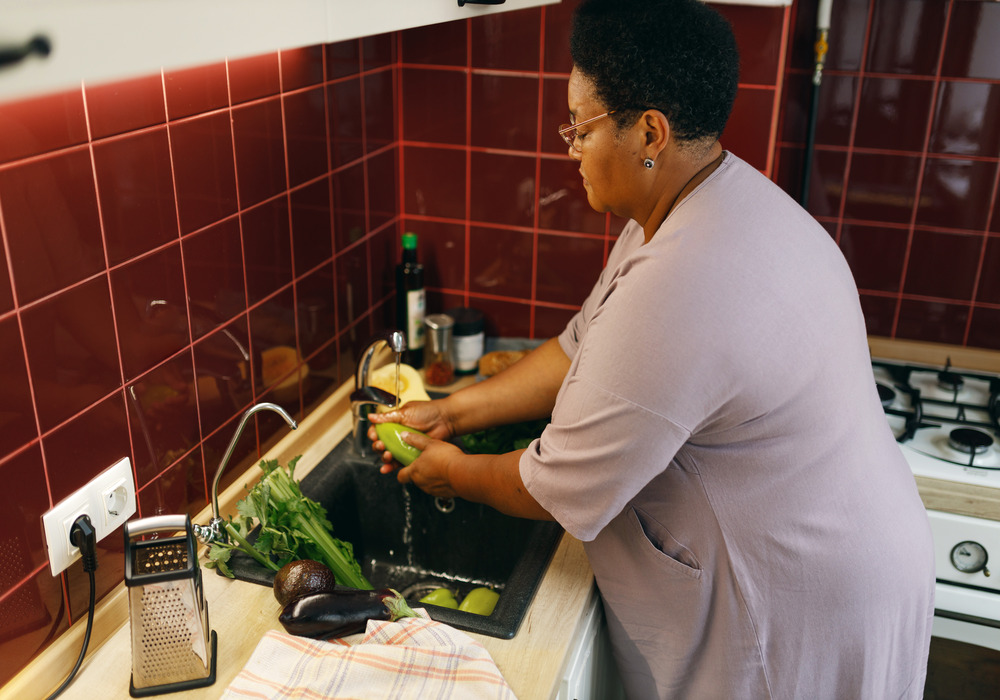
It’s always a good idea to wash all fresh produce under clean running water before eating or preparing it. Lettuce is important to wash, but also other vegetables or fruits that are sometimes associated with cyclosporiasis, like basil, cilantro, raspberries, snow peas, and sweet peas. Even fruits like melons should be washed, because anything that’s on the outside will get transferred inside when you cut them open. You should wash your produce even if the package says it’s “pre-washed.”
Unfortunately, washing your produce won’t entirely get rid of Cyclospora, which is why it’s so important to throw out the recalled lettuce. Cooking produce to at least 158 °F can kill the parasite. But chemically disinfecting or sanitizing produce might not fully eliminate Cyclospora.