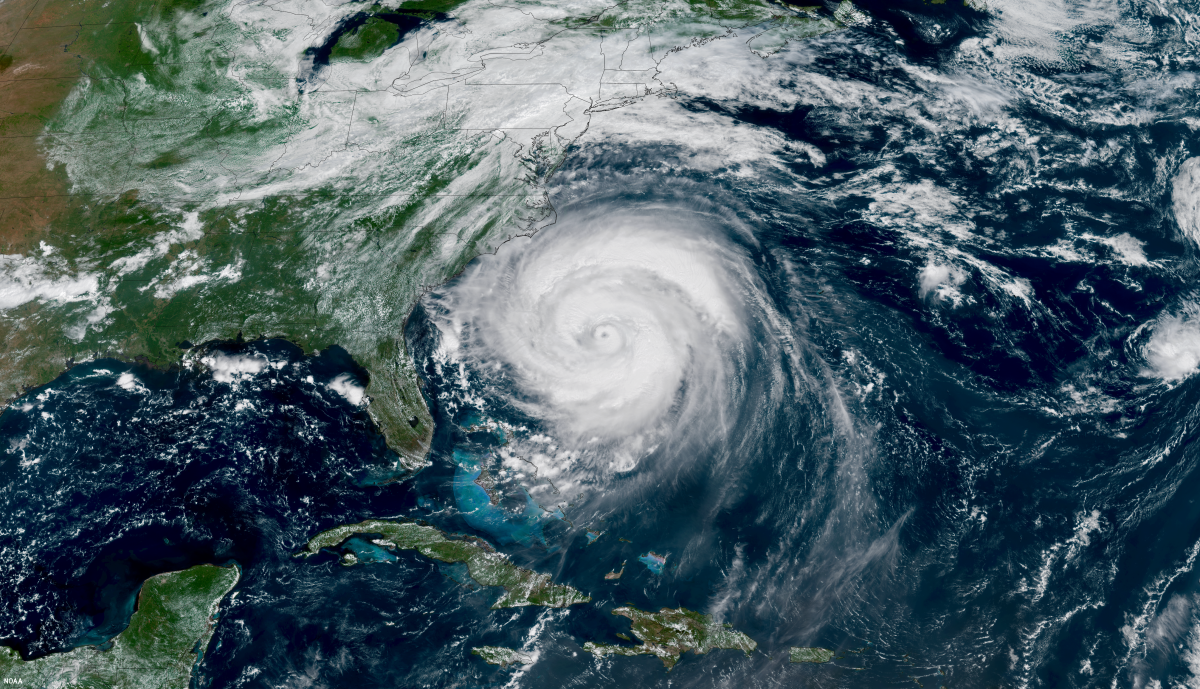
National Oceanic and Atmospheric Administration (NOAA) forecasters are predicting a below normal Atlantic hurricane season this year. In its 2026 season outlook, which runs June 1 through November 30, NOAA projects a 55% chance of below-normal activity.
There are two factors that could impact these tropical cyclones and other severe storms during the Atlantic season, which runs June 1 to November 30. A late season developing El Niño pattern — that usually deliver fewer tropical storms and hurricanes — and warmer ocean temperatures and weaker winds, which generally produce a more active hurricane year.
Storms become hurricanes once their maximum sustained wind speed reaches at least 74 mph and are categorized from 1 to 5. The higher the category, the greater the chance for property damage. In addition to wind damage, hurricanes can produce devastating flooding.
Heavy rain, high wind gusts, rising waterway levels, and tornadoes can happen inland, away from where a hurricane makes landfall.
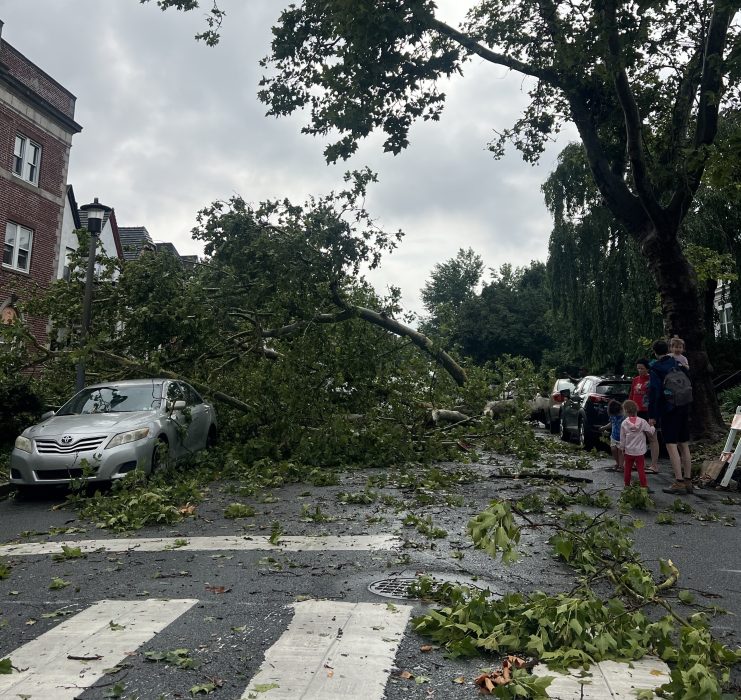
And it doesn’t take a named storm to cause damage. Thunderstorms that produce high wind, lightning, and heavy rainfall can be damaging and impact your health, home, and bank account.
Understanding the hazards of powerful storms — along with being thoroughly prepared by having a plan and staying connected to important, official information, is critical.
Take some simple steps now to prepare for the hurricane season.
- Insurance Check-up. All homeowners and renters can purchase flood insurance regardless of where you live. Most standard home insurance policies or rental agreements do not include flood insurance. Be aware it can take 30 days for insurance to take effect. Visit the National Flood Insurance Program to find out more.
- Understand Alerts and Warnings. Sign up for free email or phone alerts from the City of Philadelphia to get National Weather Service (NWS) and other important information. Text READYPHILA to 888-777 for phone alerts or customize your email or text alerts on our website. Other alerts may come from our office, the NWS, or other authorized agencies utilizing the Emergency Alert System (EAS) and Wireless Emergency Alert (WEA), which require no sign up. WEA messages are available in English and Spanish currently. To receive messages in Spanish, you must choose your preferred language in your phone’s settings.
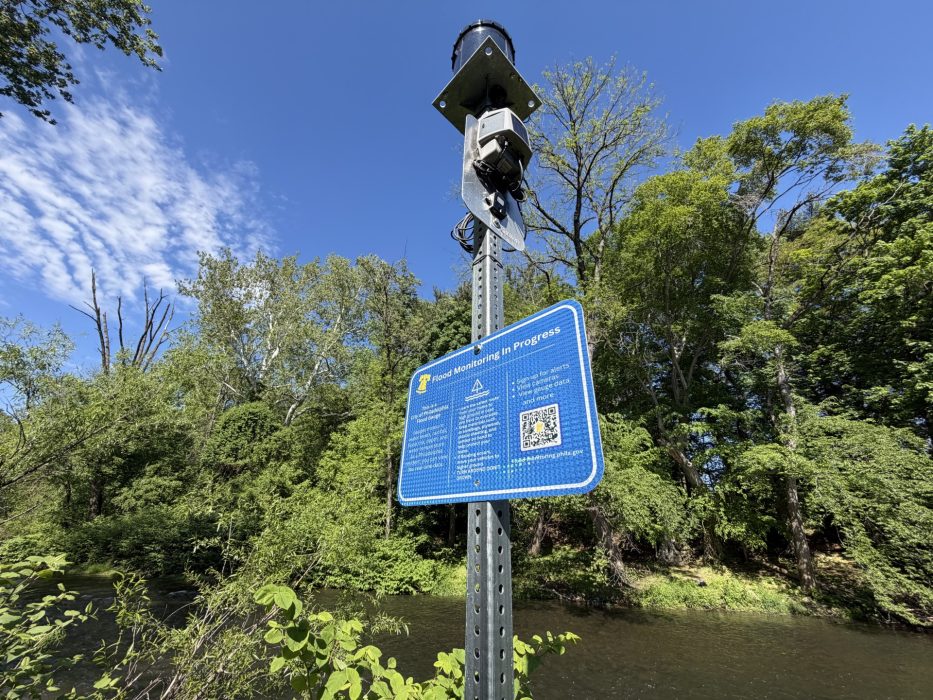
- Flood Awareness. Recently launched, OEM developed new flood monitoring technology that includes a website with cameras and gauges in some of the city’s most flood prone areas. You can also get alerts on flood levels on the Delaware and Schuylkill Rivers by customizing you ReadyPhiladelphia alerts.
- Create an Emergency Plan. Make sure everyone in your house is aware of emergency plans that include having a home shelter-in-place kit, go bag, and where to go if you need to evacuate. Find resources to help you plan on our website.
- Review Important Documents. Make sure your insurance policies and personal documents, such as ID, are up to date. Make copies and keep them in a secure password-protected digital space. You might need your documents to apply for and receive assistance after a disaster.
- Property Preparation. As a storm approaches, take action around your residence or property to help lessen the impact of severe storms. Ensure you have a sufficient supply of medication and that any battery-powered medical devices are charged. De-clutter drains and gutters at your home and clear sewer entrances on your block. Secure or bring in outside furniture or outdoor items. Make sure your valuables, electronics, and appliances are above the floor in your basement or the lowest level of your home by using shelving units or plastic storage totes. Move your vehicle to a higher location away from low-lying locations like underground garages or an underpass.