In honor of National Second Chance Month this April, we’re highlighting the Department of Commerce’s Fair Chance Hiring Initiative (FCHI), which helps local businesses hire and keep Philadelphians who have been impacted by the justice system.
Eligible employers can receive financial support, including wage reimbursements and employment retention grants. The program also helps employers connect with job seekers impacted by the system.
Through FCHI, the City aims to promote economic opportunity and workforce success by providing financial incentives to businesses and Philadelphia residents.
Hear from Triple Bottom Brewing
Hear from Triple Bottom Brewing’s Co-founder and CEO Tess Hart (TH) about their experiences as a participating Fair Chance Hiring Initiative employer.
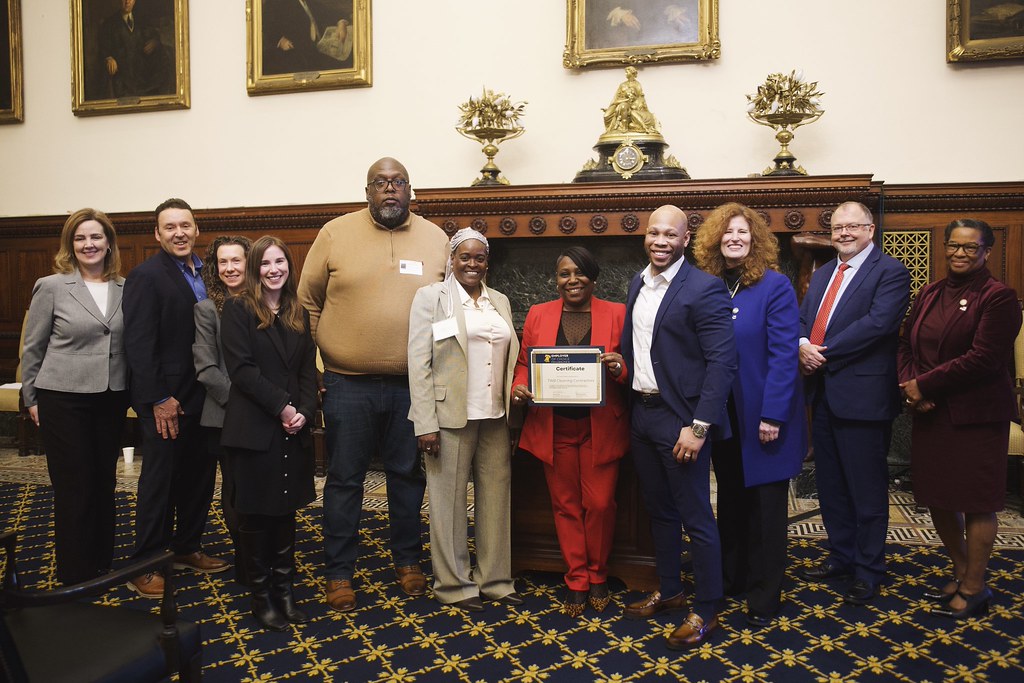
Triple Bottom Brewing was also one of 15 local businesses recognized by the City of Philadelphia as a 2026 Employer of Choice for their leadership in creating quality jobs and real opportunities for workers.
Tell us about your work and Triple Bottom Brewing’s apprenticeship program.
TH: Triple Bottom Brewing is a Certified B Corporation brewery in Philadelphia’s Spring Garden neighborhood with a mission rooted in our triple bottom line: beer, people, and planet. Since opening in 2019, we’ve operated as a fair chance employer — actively creating jobs and pathways for people who have been overlooked and underestimated, particularly those impacted by the justice system and housing insecurity.
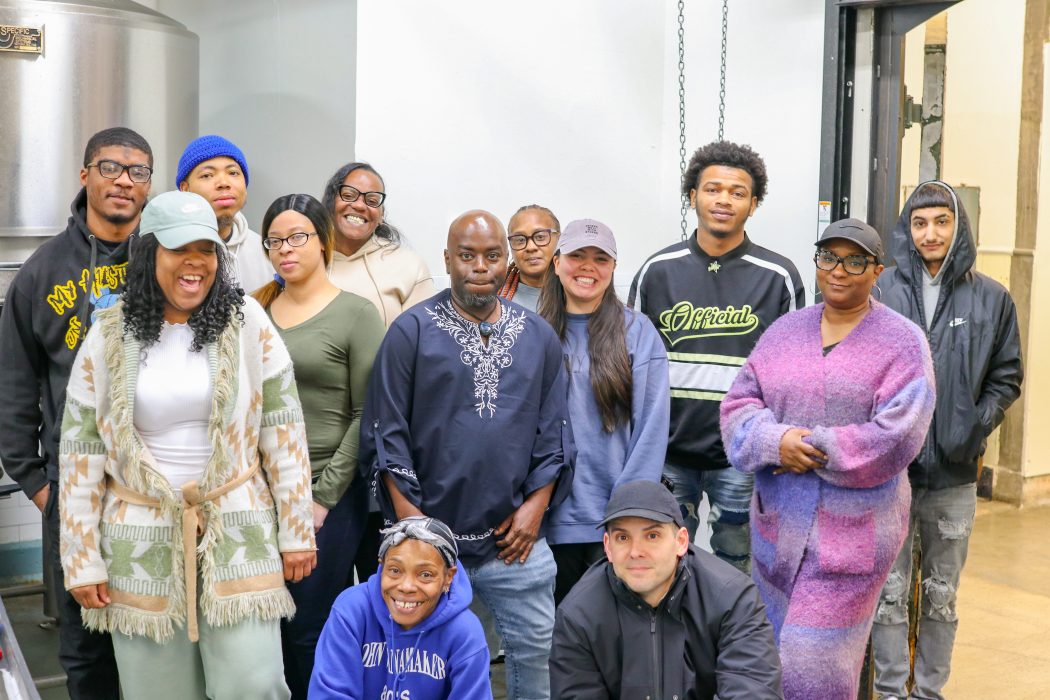
In 2024, we formalized and deepened that commitment by launching the Future of Service Apprenticeship: a 16-week, paid job training and leadership development program for people who are justice-impacted or housing insecure. Apprentices earn $15 an hour for at least 24 hours a week of classroom instruction, on-the-job training at our taproom, and job placement support.
My role as CEO is to hold the vision for this work, build the partnerships that make it possible, and make sure we’re always learning and improving — from our apprentices, our employer partners, and each other.
How does your work meet the needs of the reentry community and help address barriers the community faces?
TH: At Triple Bottom, we know a job can change a life, and that a job alone isn’t enough. All of us need an ecosystem of support to live our lives and pursue our work with confidence and skills, but for people returning home from incarceration, that ecosystem is often lacking. The Future of Service Apprenticeship strives to help apprentices build and maintain their own support systems, while getting real, concrete tools from Triple Bottom.
What makes this apprenticeship different is the robust services wrapped around the classroom instruction and training: monthly SEPTA passes so transportation isn’t a barrier, daily meals, financial literacy workshops, expungement clinics, mental health and de-escalation training, and a dedicated job coach on every shift. We also partner with the Philadelphia District Attorney’s Office Emerging Adult Unit as an official diversion program, so some apprentices are completing the apprenticeship as part of a path toward reducing or removing their charges. We work to meet people exactly where they are, because the barriers someone navigating reentry faces don’t pause while they’re in job training.
What are some of the biggest success points you’ve accomplished as an employer?
TH: The dedication of our apprentices to learn and grow consistently blows us away. Across our first four cohorts, we’re tracking above an 85% graduation rate, and 100% of graduates have earned their ServSafe, RAMP, and CPR certifications. Our graduates work across industries, from hospitality to construction to education. That range matters to us, because a core part of what we teach is transferable skills and the confidence to use them anywhere.
One of our most meaningful success stories is a graduate from our first cohort who secured a quality job and thrived in it for a full year — and is now pursuing her passion by enrolling in nursing school. That trajectory is exactly what we hope for: not just employment, but a launchpad for wherever someone truly wants to go.
We’ve also built relationships with many Philadelphia employer partners — from large corporations to neighborhood gems — who are actively hiring our graduates into jobs that offer real wages and growth pathways.
Why do you think investing in the reentry workforce is important?
TH: The people we work with are some of the most motivated and resilient I’ve ever encountered — but the systems and institutions around them are designed to exclude, not uplift.
People returning home from incarceration are navigating an enormous amount at once: parole requirements, housing, childcare, new technology, and shifting social dynamics. The fact that they show up, do the work, and grow the way our apprentices do speaks for itself. The least employers can do is meet them with real opportunity.
There’s also a clear business case. Hospitality has traditionally had fewer formal barriers to entry than many industries, and the employers we work with demonstrate that hiring people with records — and supporting them well — leads to loyal, capable employees who strengthen your team.
Investing in the reentry workforce isn’t charity. It’s good business, and it’s how we build a more equitable city.
What is your advice to other employers interested in supporting the reentry workforce?
TH: Start by being honest with yourself about what support structures you have in place — and where the gaps are. Hiring a justice-impacted person and leaving them to navigate alone isn’t fair chance employment. The difference is intentionality.
That said, you don’t have to figure it all out on your own. Partner with organizations that have the expertise and the relationships. Collect feedback from your employees, and use it. And don’t let the perfect be the enemy of the good — we’ve been learning and iterating for six years, and we’re still learning. What matters most is an authentic commitment to creating an environment where people can grow, with clear pathways, consistent communication, and dignity.
Is there anything else we should know about your work?
TH: One thing I want people to understand is that the Future of Service Apprenticeship isn’t a nonprofit services program — it’s a workforce apprenticeship at a real business. Our apprentices aren’t participants receiving charity; they’re part of the Triple Bottom team.
They’re taking orders, running systems, and working farmers’ markets and events alongside staff. That sense of belonging and genuine contribution comes through clearly in their feedback. One apprentice told us the apprenticeship was, “the best level up I’ve ever had” — and I believe a lot of that comes from feeling truly valued, not just served.
We’re also working to register the Future of Service Apprenticeship as a state pre-apprenticeship program, which will strengthen long-term sustainability and open up more resources for participants. The goal is for this work to continue growing in depth and reach so more people have access to a real shot at a career that excites and sustains them.