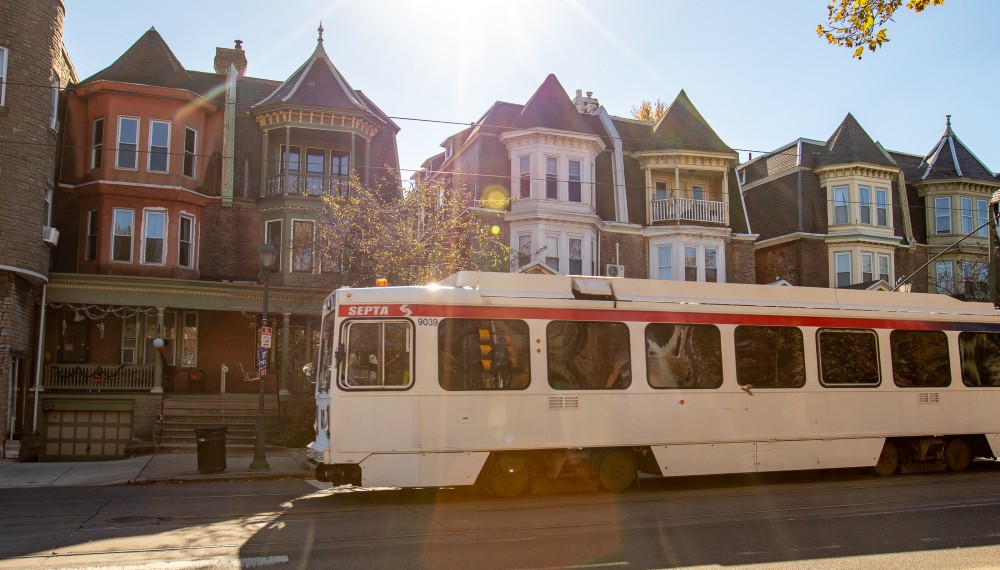

Starting a short-term rental gig in Philadelphia can be a great way to earn extra income, but it also means you’re running a business. Short-term rentals are residential properties rented for 30 days or less.
Whether you’re renting a spare bedroom or an entire home, you must comply with the City’s licensing and tax rules. Take these steps before you welcome your first guests:
Start by registering your business
The first step is to choose your business structure, such as a sole proprietorship or a Limited Liability Company (LLC). Most businesses are required to register with the Pennsylvania Department of State.
Then, you must obtain a Philadelphia Tax Identification Number (PHTIN), which allows you to register for City taxes. It’s important to register your business with the City of Philadelphia before you start renting your property.
Last, you must obtain a Commercial Activity License (CAL) before conducting business in Philadelphia.
Get the required licenses
Short-term rentals require more than a business registration. Depending on your property and how you plan to use it, you’ll generally need:
- A Commercial Activity License
- A zoning permit approving the property’s use
- A Limited Lodging Operator License or another required rental license, depending on the type of property and occupancy
Obtain these licenses and approvals before advertising your property on a booking platform.
Understand your tax obligations
The City of Philadelphia considers short-term rental income to be taxable business income. That means you may have to file and pay several different taxes, including:
Hotel Tax
You must collect Hotel Tax from your guests and remit it to the City. The tax rate is 8.5%, and it’s due on the 15th of every month for the previous month’s rentals. If you’re renting through a booking platform that collects and remits the tax for you, you do not have to file separately. However, you are responsible for confirming that the platform is doing so. If it is not, you must register, file, and pay the Hotel Tax yourself through the Philadelphia Tax Center.
Net Profits Tax (NPT)
If you operate your rental as a sole proprietor, partnership, or certain other non-corporate business types, you may owe the Net Profits Tax (NPT). This tax is based on your business’s net earnings and must be filed and paid annually, by April 15.
Business Income and Receipts Tax (BIRT)
Your short-term rental activity is also subject to the Business Income and Receipts Tax (BIRT). This is the City’s primary business tax. Anyone doing business in Philly must file and pay this tax. The BIRT is based on your Philadelphia gross receipts and the net income from business activity in Philly. For rental activity in 2026, the gross receipts tax rate is 1.410mills and the net income tax rate is 5.71%.
Like NPT, you must file and pay the BIRT by April 15 for the previous year’s business activity.
Wage Tax
Your rental business may be subject to Philadelphia Wage Tax if you hire employees to manage your rental gig or other services. The current Wage Tax rates are 3.735% for Philly residents and 3.425% for non-residents.
Remember, the City updates its tax rates every year. Make sure you’re using the right tax rates for the right year. Visit phila.gov/revenue to learn more about the various tax types, due dates, and rates. File and pay City taxes and fees through the Philadelphia Tax Center.
Operating a short-term rental in Philadelphia is more than listing your property online. It means running a business that must comply with the City’s business registration, licensing, and tax requirements. Get it right from the beginning to avoid future hassles.