
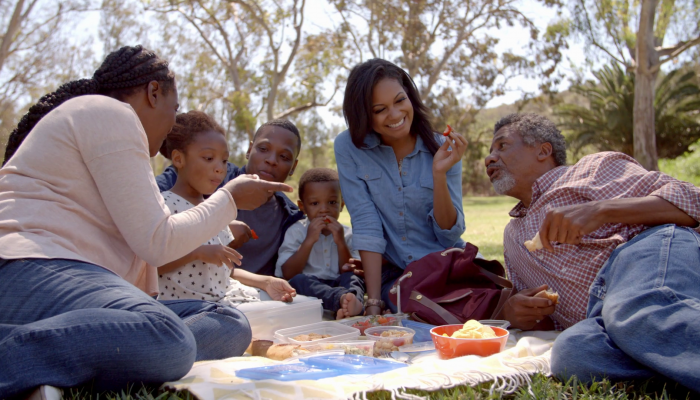
Whether you’re celebrating Juneteenth or Independence Day, the World Cup finals or your child’s high school graduation, it’s important to remember that food poisoning peaks when outdoor temperatures rise. By taking a few simple precautions, you can make any picnic, barbecue or block party a culinary success while also protecting friends and family from preventable foodborne illness.
Handle with care
First, store all uncooked meat, poultry and seafood in your refrigerator on the bottom shelf. That way it won’t leak any juices onto other food, potentially contaminating it. Then, before handling food, make sure you wash your hands with soap and warm water for at least 20 seconds. Wash your hands frequently while preparing food and again afterwards, and then once again before eating.
Avoid cross contamination
Do not use the same dishes and cutting boards when preparing meat, poultry and seafood, and chopping fruits and vegetables. If you must use the same dish or cutting board, wash it with soap and hot water and rinse it thoroughly between uses.
If you’re going to serve fresh fruit and vegetables – and we think you should – try grilling them. Grilled peppers, asparagus and brussels sprouts are delicious; so are grilled summer tomatoes and peaches. When grilling fruits and vegetables, it’s best to grill them before using the same grill for meat, poultry and seafood to avoid any contamination.
Grill to perfection
Use a food thermometer to make sure all poultry, meat and seafood are cooked to a safe internal temperature. When grilling, cook whole cuts of beef and pork to 145 degrees Fahrenheit; do the same for fish. Hamburgers should be cooked to an internal temperature of 160 degrees Fahrenheit and all poultry and pre-cooked meats, such as hot dogs, should be cooked to 165 degrees. After grilling, food should be kept at 135 degrees Fahrenheit or warmer until it’s served. Divide leftovers into small portions and place in the refrigerator in shallow, covered containers within two hours of cooking or within one hour if temperatures outside exceed 90 degrees.
Keep hot food hot and cold food cold
Cold dishes should be served cold and kept cold. When serving cold dishes outside, place smaller bowls with food into larger bowls with ice. As ice begins to melt, replace it with fresh ice so that the food stays cold. Just as cold dishes should be kept cold, hot dishes, such as macaroni and cheese or baked beans, should be kept hot. A chafing dish with Sterno is an excellent way to keep food hot if there are no outdoor electrical outlets nearby for hot plates or crockpots.
Don’t let foodborne germs ruin your summer plans. By taking these simple precautions, you can eat well and feel well. Enjoy your summer and stay healthy, Philly.