What Youth Told Us: Key Findings from OYO’s 2025 Residential Placement Surveys
The Office of the Youth Ombudsperson (OYO) recently completed its 2025 youth survey process to better understand the experiences of Philadelphia youth placed in residential child welfare and juvenile justice settings.
The surveys were conducted during OYO site visits and programming sessions at residential facilities that serve Philadelphia youth. The findings help identify patterns, highlight youth-reported experiences, and inform OYO’s ongoing oversight, advocacy, and youth engagement efforts.
What the surveys included
In 2025, OYO visited 22 residential placement sites:
- 19 child welfare placements.
- 3 juvenile justice placements.
During those visits:
- 65 youth participated in OYO programming and engagement activities.
- 34 youth voluntarily completed anonymous surveys.
Participation was voluntary and confidential. Youth were not required to answer every survey question, and response totals varied by question. Survey findings are based on the responses provided by participating youth.
The surveys included youth placed in both child welfare and juvenile justice settings. While these systems serve different populations and operate under different legal frameworks, both are responsible for ensuring youth safety, well-being, access to services, and protection of youth rights while in placement.
What youth shared
Across both systems, many youth who responded reported feeling safe, understanding why they were placed, and having their basic needs met. At the same time, youth responses highlighted areas where some youth reported challenges or concerns.
Survey responses identified themes related to:
- Youth safety and staff interactions.
- Peer conflict and disciplinary practices.
- Education access and support.
- Communication about rights, services, and healthcare.
- Family connection and privacy.
- Access to culturally responsive supports.
- Reentry, permanency, and transition planning.
Responses also reflected differences between placement types.
A portion of youth in juvenile justice placements reported more restrictive experiences, including room confinement and limitations on educational participation associated with behavior management practices.
Youth in child welfare placements more frequently reported challenges related to school enrollment, transportation, educational continuity, and maintaining connections during placement transitions.
When asked about planning for life after placement, youth who identified additional support needs most commonly selected education, employment, housing, and reconnecting with family.
What the data can and cannot tell us
The survey findings provide valuable insight into the experiences and perspectives shared by participating youth. However, the findings should be interpreted carefully.
Because participation was voluntary and limited to youth who were present during OYO visits and chose to participate, the survey results are not statistically representative of all Philadelphia youth in residential placement.
Instead, the findings provide a descriptive snapshot of the experiences reported by participating youth at the time of the survey. The results are intended to elevate youth voice, identify potential trends, and help inform OYO’s oversight and advocacy work.
The report does not make legal findings or determinations regarding facility compliance with laws, regulations, or contractual requirements.
Why this data matters
Youth voice is a critical component of effective oversight. Surveys provide an opportunity for youth to share their experiences directly and anonymously, helping OYO better understand how policies, practices, and services are experienced in residential placement settings.
The survey findings complement information gathered through:
- Site visits.
- Youth programming and engagement activities.
- Interviews and conversations with youth.
- Facility observations.
- OYO oversight and monitoring activities.
Together, these sources help OYO identify areas where youth report positive experiences as well as areas that may benefit from additional review, support, or attention.
Supporting youth voice and accountability
OYO’s work is guided by Executive Order No. 5-22 and focuses on promoting accountability, transparency, and youth-centered oversight within Philadelphia’s residential placement systems.
The office will continue conducting annual surveys, site visits, and youth engagement activities to better understand youth experiences and monitor patterns related to safety, education, health access, communication, family connection, and overall quality of care.
While the survey sample is limited, the responses provide important insight into how youth experience placement and what supports they believe are most important to their well-being and future success.
Learn more
The 2025 OYO Survey Findings Overview summarizes key themes related to:
- Youth safety and treatment.
- Fairness and disciplinary practices.
- Education access and support.
- Family communication and privacy.
- Healthcare access.
- Personal belongings and care packages.
- Hygiene, nutrition, and cultural responsiveness.
- Reentry, permanency, and transition planning.
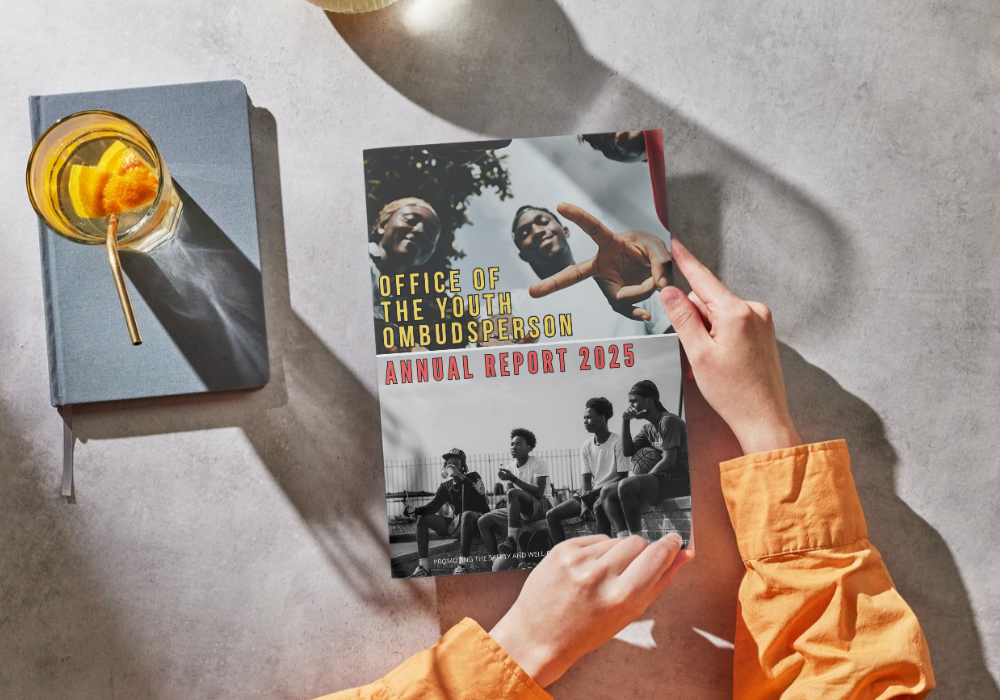
For a more detailed review of the findings, response data, and methodology, explore OYO’s 2025 Survey Findings Overview, Survey Data Appendix, and Annual Report.