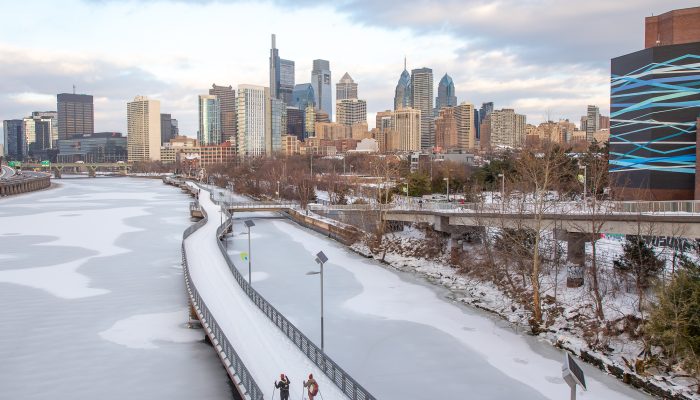
In early 2026, historic winter storms in the Greater Philadelphia region brought freezing weather and mounds of snow to the city at levels not seen in 10 years. Schools went virtual, businesses closed, and people stayed home. The cold weather put a strain on the energy systems that Philadelphians depend on every day. This blog highlights how extreme cold impacted our utilities and actions we can take to stay safe and prepared.
How extreme cold affected Philadelphia’s utilities
Temperatures stayed below freezing for days on end, and coupled with snow and ice, drove heating demand up. The regional grid operator, PJM, saw record or near-record electricity demand during the storms. Both our electric and natural gas systems also reported significant stress. Despite this, our energy infrastructure performed reliably. School, government, and office closures drove electricity demand down. During the height of the cold snap, temperatures also came in warmer than expected. Both of these factors enabled the grid to meet energy demands, including during peak demand periods, when energy demand was highest.
When energy supply is at risk, building operators will turn to backup sources of energy, such as generators. These generators, which might run on natural gas or diesel fuel, are usually limited to certain pollution levels. During the winter storms, PJM made use of an exemption to allow generators to run above environmental permit levels in case of emergency.
Even when there is enough energy supply, extreme weather events can threaten utility infrastructure. Major storms can down trees and damage electric equipment, causing power outages. Philadelphia’s power utility company PECO reported that more than 72,000 customers lost power during the late-February winter storm.
Another side effect of the cold weather is potential damage to water pipes or water mains, also known as water main breaks. When pipes get too cold over a long period of time, they risk freezing and bursting, leading to flooding. Water main breaks hit Philadelphia hard this season, the first winter that the city faced more than a week of freezing temperatures since 2018. In January, the Philadelphia Water Department (PWD) responded to 147 water main breaks, one of which left 70 properties in Germantown without water.
Preparing for extreme weather
To help residents stay safe and prepared for winter weather, including extreme cold and storms, City departments work with government and community partners. Together, they provide information, share resources, and respond to emergencies. Here are three actions residents can take to build a safer home and city:
- Review the Office of Emergency Management’s blog for tips and resources to prepare for winter weather at home.
- Attend a Climate Ready workshop to share your experiences with extreme weather and give input about solutions to climate issues in your community. Workshops are taking place online and in-person, from February through April 2026.
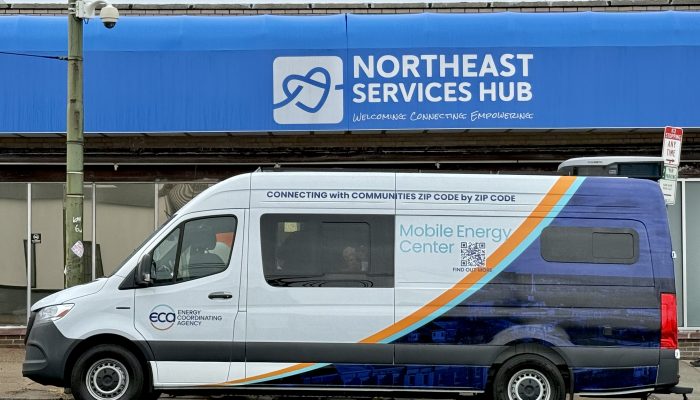
- Learn about utility assistance programs by visiting a Neighborhood Energy Center near you. Or, request a visit from a new Mobile Energy Center, which brings energy assistance resources directly to you.