Origins and Colonial Significance
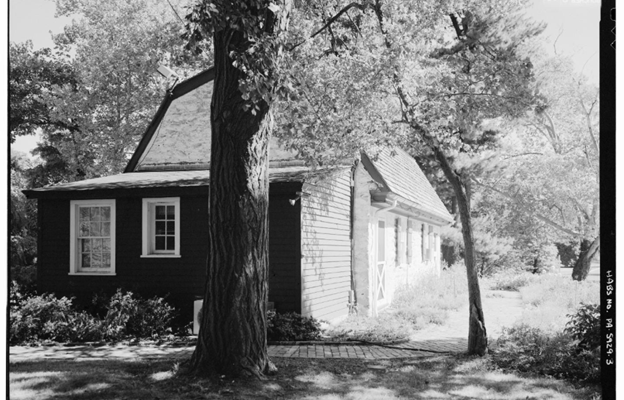
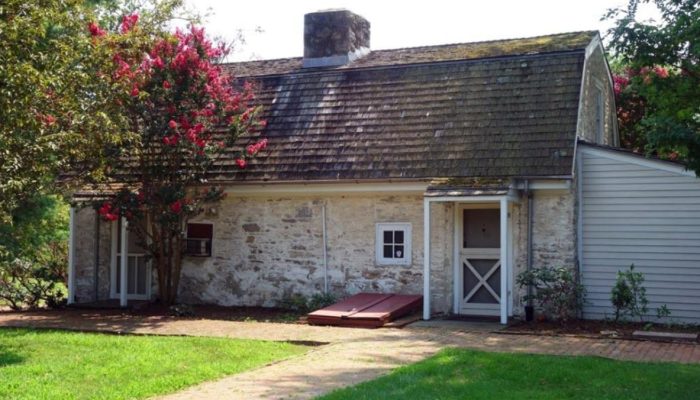
Boelson Cottage is one of the oldest buildings in Philadelphia and in the United States. In 1678, colonist Jan Boelson received a tract of land along the Schuylkill River. By 1684, Boelson had built a one-and-a-half story stone cottage at what is now 2000 Martin Luther King Drive. It had small windows and a gambrel roof, which are common features of Dutch and Swedish colonial architecture in the Delaware River Valley. Inside there were two rooms with a shared central chimney. Each room had its own door to the outside, suggesting that two families shared it – probably those the families of Boelson and the land’s co-owner, Dutch colonist Jan Schoeten. By 1698, Boelson sold his property, having developed it into a profitable estate. The land, including the cottage, was later part of a purchase by William Peters. Peters eventually built Belmont Mansion.
Evolution Through the Ages
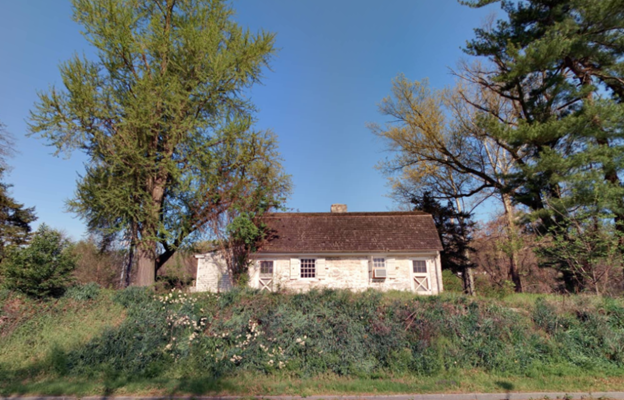
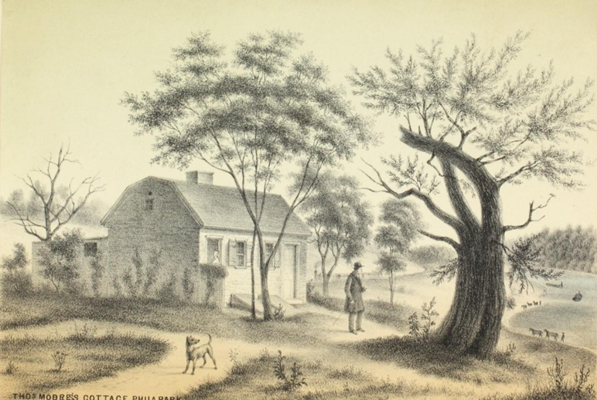
Into the 1700s, the cottage likely served a variety of uses for the nearby Belmont Mansion, as housing for workers or guests, as storage, or as a workshop. When it was incorporated into Fairmount Park, the cottage was treated as a curiosity by visitors. Its old age was well known but the few details of the house’s history led to questions about its past. One persistent myth about the cottage held that Irish poet Thomas Moore stayed at the house during an 1804 visit to Philadelphia. The assumption came from a poem Moore later wrote about wandering the banks of the Schuylkill River. Although Moore did not stay there, the cottage was known as “Tom Moore’s Cottage” well into the 20th century.
Preservation and Current Use
As part of Fairmount Park, the cottage has sometimes been used as an office, a security station, or a maintenance building. Aside from a small wood addition and changes to the roof, windows, and doors, the cottage retains its general historic appearance. Unlike the larger and more famous Fairmount Park buildings, the cottage is too small to host events and cannot be easily modified without taking away its character. The cottage has undergone periodic renovation to replace deteriorated features and to install modern amenities. The cottage’s interior is not open to the public. Nevertheless, the Boelson Cottage is a significant site, not only as one of the oldest buildings in Philadelphia and the United States, but as one of the few remaining buildings directly connected to Dutch and Swedish colonists who predated English settlement in the Delaware River Valley. The cottage was added to the Philadelphia Register of Historic Places in 1963, ensuring its preservation.