Infrastructure investments improve the lives of all Philadelphians. Using public dollars to invest in infrastructure projects can create economic mobility for local workers and local businesses. We achieve this through partnerships and collaboration.
Maximizing an Unprecedented Investment
Every year, the Infrastructure Solutions Team (IST) publishes a progress report. The 2026 edition highlights historic investments in Philadelphia’s communities. It also features updates on the City’s infrastructure goals.
Much of this funding comes from the Bipartisan Infrastructure Law (BIL), also known as the Infrastructure Investment and Jobs Act (IIJA). These investments make our neighborhoods more livable, more accessible, and more affordable. They support the Parker administration’s goal of making Philadelphia a safer, cleaner, and greener city, with economic opportunity for all.
The BIL, which has funded unprecedented investment in Philadelphia’s infrastructure, is expiring in September 2026. Future federal legislation will likely be narrower in scope. This will require the City to be more strategic to ensure it makes an impact in our neighborhoods.
Notable Infrastructure Investments
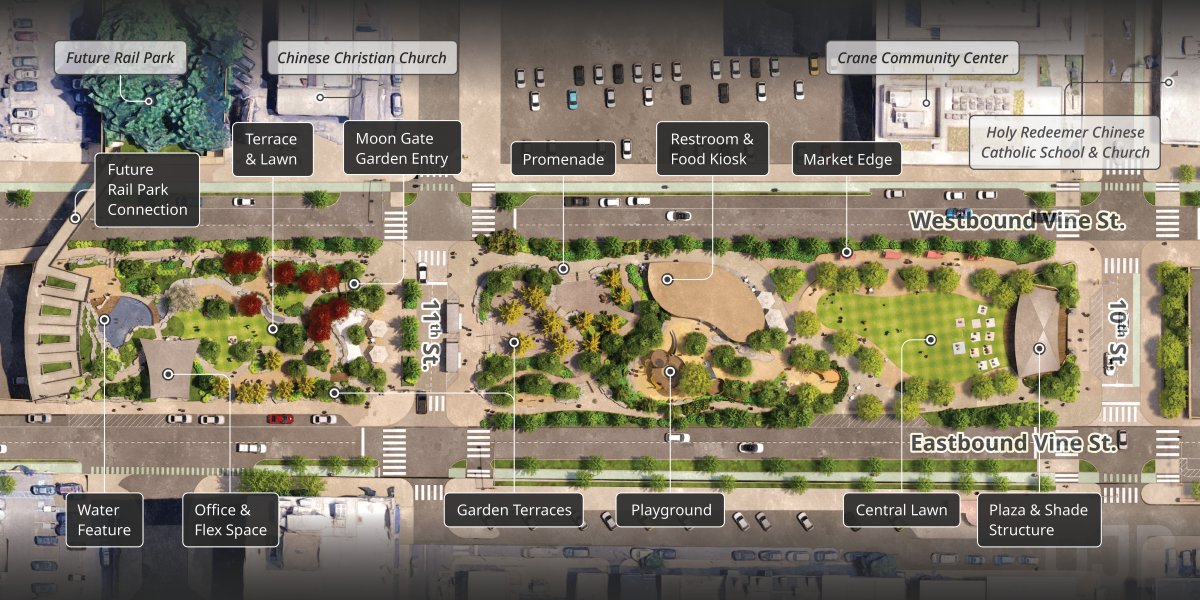
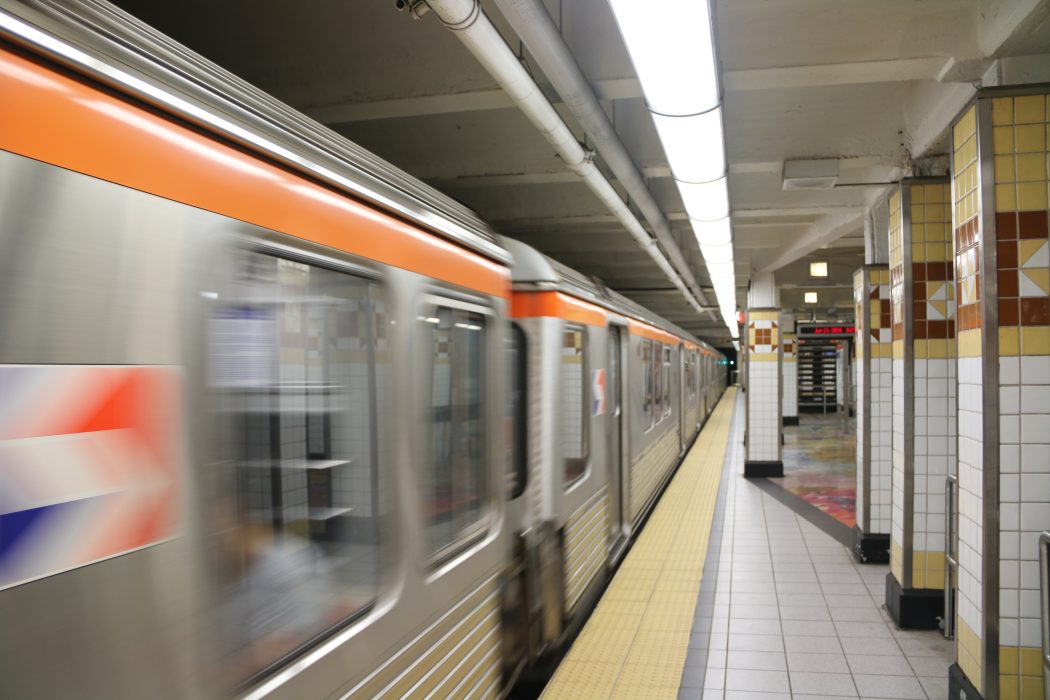
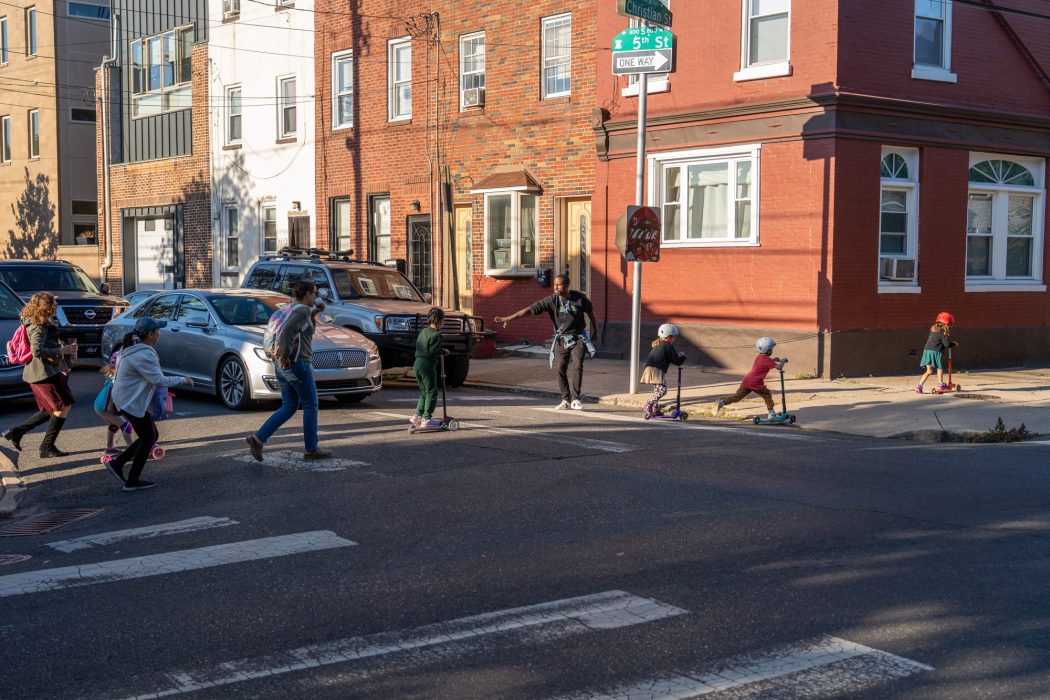
In advance of the nation’s 250th anniversary this summer, the City made headway on several critical projects. The benefits of infrastructure projects don’t stop when the events do. These projects deliver long-term benefits that the Philadelphians can see, touch, and feel. From faster exits at the airport, to drinkable water, to safer streets, each investment benefits our local communities.
Building a Workforce That Reflects Philadelphia
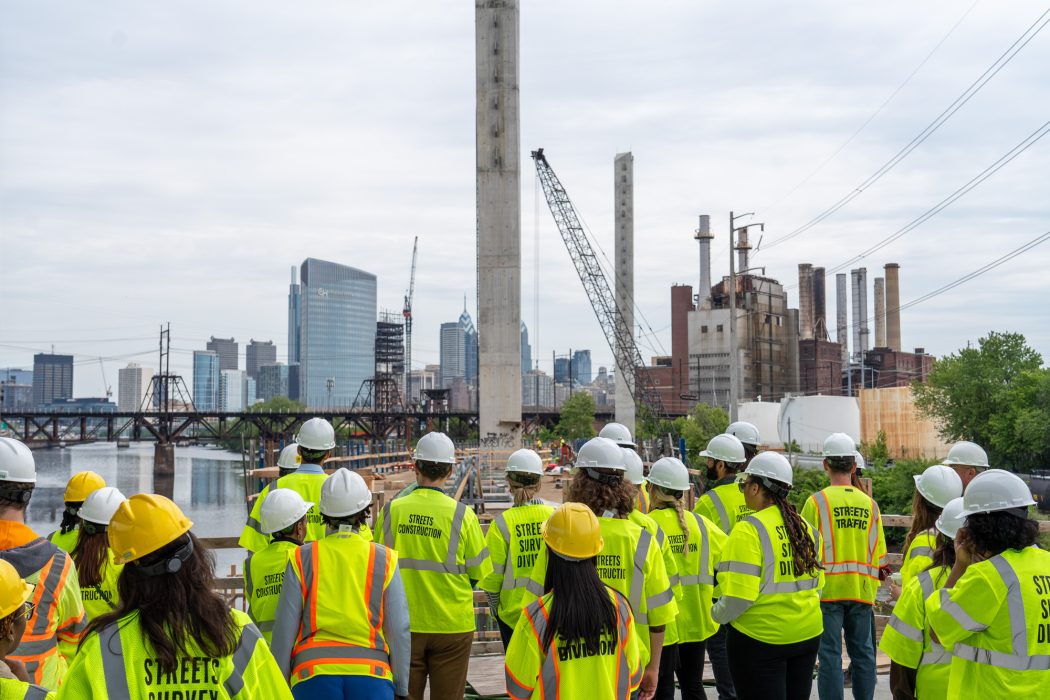
To build these types of projects, lots of workers are needed. The City and the IST help identify pathways so Philadelphians have the training they need to find jobs. The IST has a workforce development strategy to ensure the people working on projects reflect every neighborhood of Philadelphia. One way the City does this is through the Geographic and Economic Hiring Preferences (GEHP). GEHP requires contractors to hire workers from certain ZIP codes. This increases access and participation of economically disadvantaged residents. As of August 2026, 15 GEHP pilot projects have been identified across three City departments. This totals an anticipated $312 million in infrastructure investments. By 2030, the City intends to have GEHP as a standard hiring practice across eligible projects.
Another way the City expands our workforce is through training programs. Plug In Philly is a pre-apprenticeship program that prepares Philadelphians for electrical careers. This includes work with electric vehicles (EVs) and EV infrastructure. This program launched its pilot cohort in September 2026. Fifteen residents participated in eight weeks of classes. They also are working directly with a career coach to help their job search. More cohorts are scheduled for 2027.
Also, the City has a partnership with the City College for Municipal Employment (CCME). This program helps 12 municipal employees gain the skills they need to be promoted in more advanced engineering and surveying positions. This training has led to participants getting job interviews and offers. Due to the success of the program, more upskilling pathways and trainings will occur in coming years.
Business Participation and Growth
It’s critical to collaborate with the Philadelphia business community to drive economic mobility. Business ownership can be an important way for individuals and families to get ahead. Removing barriers to success helps drive growth. City spending is an important – but often underutilized – way to support business growth and advance local economic development. The IST has identified several ways to do this.
One is a Mentor-Protégé Program. This pairs small and local “protégé” firms with an established “mentor” business. The mentors provide training, guidance, and support. They show protégés how to understand public contracts and business development strategies. The inaugural cohort of 20 protégés will launch later in 2026. Construction training for this cohort will begin in spring of 2027.
Another is the Capital Access Fund and Bonding Program. For many public projects, contractors need money on hand to bid for a project. This can be hundreds of thousands of dollars, to tens of millions – just to seek a contract. This is an unfair barrier. This program helps change that by offering targeted support and resources to firms. This includes providing working capital to small and local businesses bidding on the City’s public works contracts. The goal of the program is to increase the number of small businesses that can compete for these types of contracts.
The City’s contracting process is a challenging process. The IST has launched the S.M.A.R.T. Contracts Initiative to change this. Having Strategic, Market-Aligned, Right-sized, and Targeted contracts can expand access to these opportunities. This will establish pathways for small and local firms to serve as prime contractors on City work. That means reliable, long-term work for Philadelphia’s small business community.
Additionally, the IST works to give small and local firms opportunities to plan ahead for potential projects. The Procurement Forecast comes out twice a year. It gives the business community a sneak peek into upcoming City contracting opportunities. This responds directly to feedback from business owners. It provides transparency into future procurements. It also helps explain processes, requirements, and guidelines. Businesses can then plan ahead, build capacity, and better position themselves to compete for – and win – contracts. This fosters an all-inclusive culture, where everyone has equal access to data, reports, and systems. The fall 2026 Procurement Forecast will coincide with Micro Economic Development (MED) Week.
Building Philadelphia’s Future – Together
The purpose of the IST Report is to level the playing field for Philadelphia’s workers and businesses. The projects and pilot programs outlined will improve the lives of all Philadelphians. And more importantly – they need strong partnerships across government, sectors, and community. This united approach is how we can make our neighborhoods more livable, more accessible, and more affordable.