This September, the Philadelphia Parking Authority (PPA) released an annual report about their Automated Speed Enforcement (ASE) program. PPA is a state-run agency, but the City still works closely with them to make Philadelphia’s streets safer. PPA is an important partner in our Vision Zero goal of eliminating traffic deaths.
The report contains detailed statistics about crashes, tickets, and speeding. Here are some highlights.
What is the ASE program?
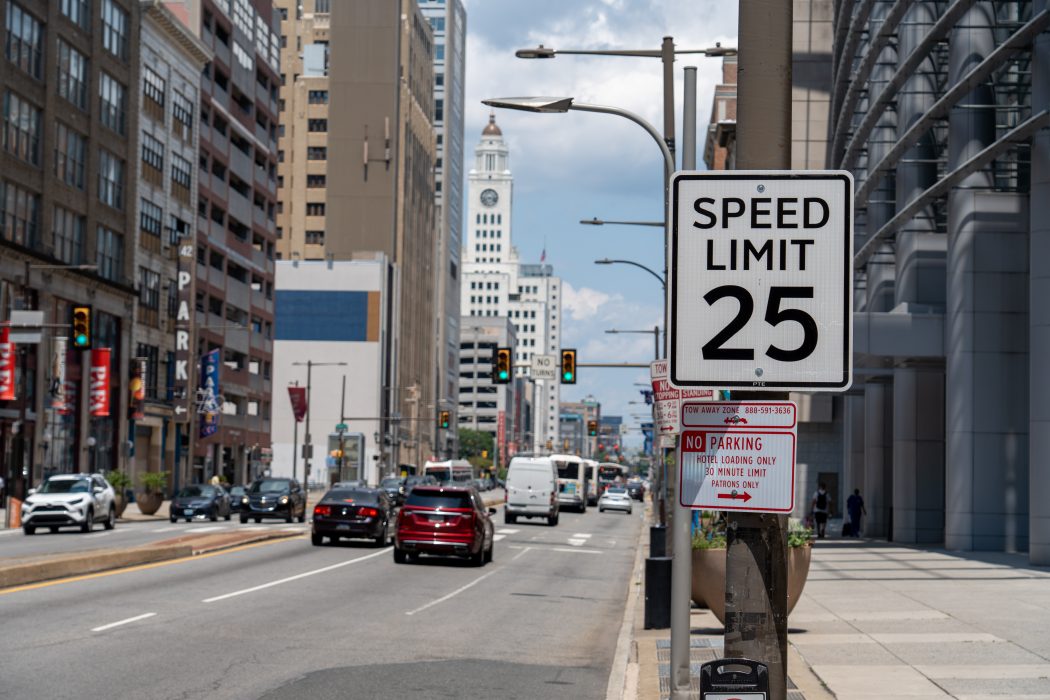
Speed is the leading cause of traffic fatalities. Speeding poses a serious threat to everyone: pedestrians, cyclists, and motorists. ASE cameras are placed along Philadelphia’s most dangerous high-speed roads and in school zones to ensure cars slow down. There is an extensive, data-driven process to install a camera. This ensures they are placed in the most targeted locations. Safe streets are slow and predictable. Enforcement of the speed limit reduces the likelihood of crashes, injuries, and deaths.
Speed cameras take a picture of the back of a vehicle breaking the law – going over the speed limit. A police officer then reviews the photo before a ticket is issued. There are strict privacy protections for the photo. Data collected from a speed camera cannot be used for any other purpose.
Expanding to New Corridors
The report focuses on how the ASE program expanded in 2025 and 2026. This means more corridors have speed cameras that monitor dangerous behavior. The first corridor to have automated speed enforcement was Roosevelt Boulevard. Since those cameras turned on in June 2020, there has been a 95% decrease in speeding violations.
These results are more than numbers: they are lives saved. It is important to communicate the purpose of the speed cameras. Last year, thousands of Philadelphians received postcards in the mail. These mailers informed about the program’s expansion and how speeding can be deadly. Broad Street’s (Rt 611) speed cameras were installed in September 2025. This was the second corridor in the city with speed cameras. Through March 2026, speeding violations have dropped 67% on Broad Street.
More recently, PA Route 13 had speed cameras installed. Route 13 cuts through the city from the Northeast to West Philadelphia. The north part, which includes Frankford Ave, had cameras activated after a warning period in June 2026. The southern part, which includes Baltimore Ave, will begin in late summer 2026.
School Zone Enforcement Pilot
The report also highlights a new initiative that launched in February 2026. The School Zone Enforcement pilot deployed mobile speed cameras at five schools:
- Widener Memorial Elementary School
- John B. Stetson Middle School
- High School of the Future
- William L. Sayer High School
- KIPP North Philadelphia Academy Charter School
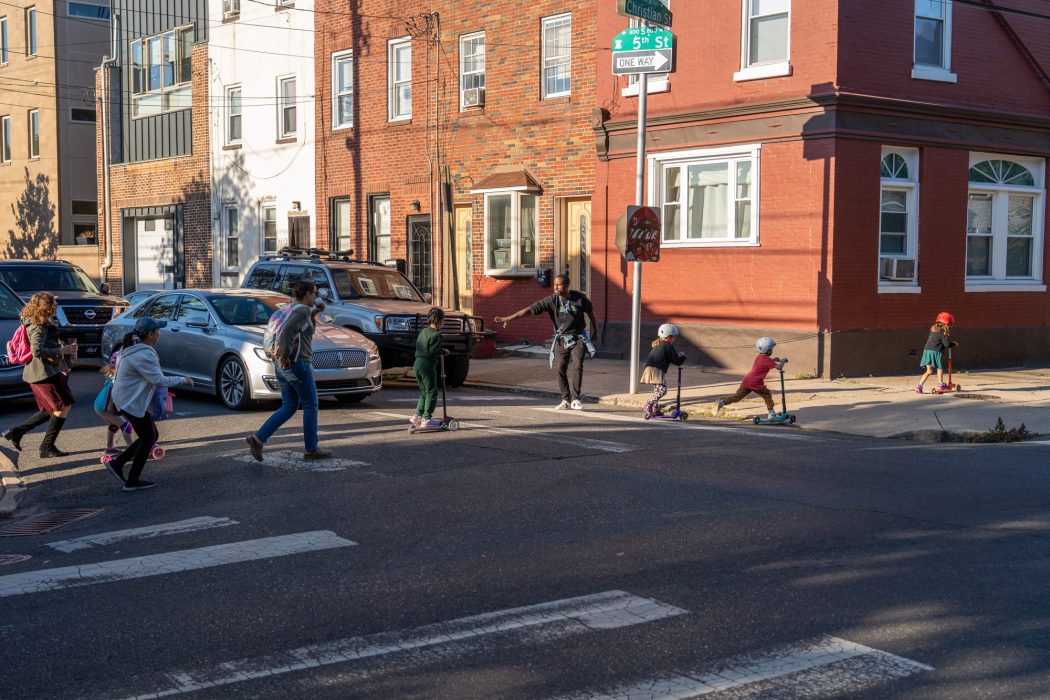
This program ensures our most vulnerable Philadelphians – our children – can safely get to and from school. Schools were selected after the City conducted traffic studies. The cameras are only active at the start and end of the school day for forty minutes at a time. They are not on during weekends or holidays.
This is the first time a program like this has existed in Philadelphia. While it is still too early to have conclusive data about the program, school zone cameras are a promising tool for the City to add to our kit of strategies for getting kids to school safely.
Projects Funded by ASE
Speed cameras do not generate profit for the City or PPA. Money collected from speed cameras stays in Philadelphia to fund traffic safety projects. Fines from tickets go to the Pennsylvania Department of Transportation (PennDOT) and are awarded back to the City through traffic safety grants. In February 2026, PennDOT announced Philadelphia would receive $13 million to fund six safety projects across the city. These projects include construction to calm traffic at complicated intersections, add traffic calming measures, and design work to make it easier to walk and bike. A full listing of these projects can be found on the PennDOT site.
What’s next?
PPA is working with the City to make even more streets safer. Besides activating speed cameras along the southern portion of Route 13 later this year, PPA is working on plans to expand the program on other corridors. In the coming years, ASE cameras will be added to routes 2016 (Allegheny Avenue), 1004 (Erie Avenue and Torresdale Avenue), and 2001 (Delaware Avenue, Oregon Avenue east of Broad Street, and Richmond Street).
Next year, there will be more data from the School Zone Enforcement pilot. This will inform whether to make the pilot permanent and expand the program to other schools. As the ASE program continues to expand, PPA will continue to collect data that reinforces its effectiveness. This data helps the City ensure its streets are safe for all Philadelphians, no matter how they get around.