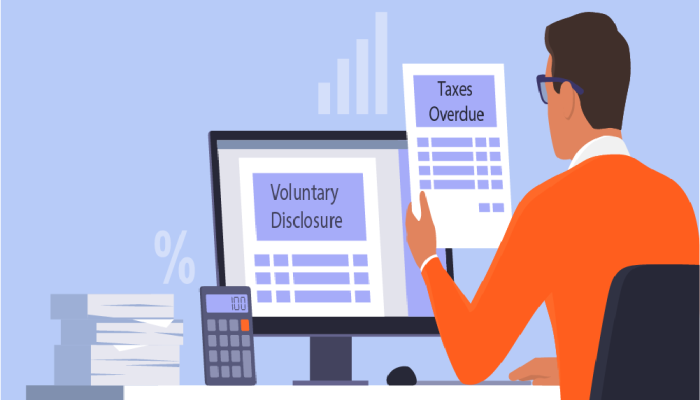
It happens… a business owner didn’t know they owed taxes for activity in Philadelphia and now finds out they owe back taxes. If a business owner realizes this on their own without getting a notice from the Philadelphia Department of Revenue, they may qualify for the Voluntary Disclosure program.
In these cases, the business owner voluntarily files prior year returns and pays the taxes owed, in exchange for a waiver of penalties and protection against an audit and billing for prior periods. In essence, voluntary disclosure grants relief to taxpayers and businesses who willingly come forward to tell the Department of Revenue the taxes they owe.
Revenue has made some key updates to its Voluntary Disclosure Program. The “lookback” or disclosure period for unmet tax obligations is now three years, instead of six.
What you should know
The Voluntary Disclosure Program lets taxpayers who don’t already have a tax account to disclose unfiled tax obligations for a specified number of previous years, called a “disclosure period”. The taxpayer must not have been contacted by the Department of Revenue or its agents.
The disclosure period covers the years Revenue will go back and collect the tax from. In exchange, the Department waives any penalties accrued during the disclosure period. We used to have a six-year disclosure period. But with recent changes to the program, the disclosure period is now three years. Keep in mind that taxes and tax periods disclosed are subject to audit.
How does Voluntary Disclosure help you?
If you do not yet have a tax account but want to come forward to self-report your unmet tax obligations, and are honest about what you owe, Revenue won’t audit or bill you for the tax types disclosed for any years before the (now) three-year disclosure period.
Although you won’t face penalties for years before the disclosure period, Revenue may audit the taxes and periods you disclose to confirm compliance.
Is Voluntary Disclosure the right program for you?
We understand that some taxpayers may be unsure of their tax responsibilities, and some new businesses may be operating in Philly without a City tax account.
To help you get back on track, we created the Voluntary Disclosure Program. To qualify, you must:
- Not have a tax account already,
- Have not been previously contacted by The Department of Revenue or its agents,
- Be open and honest about what you owe, self-report your liabilities, and
- Pay the full amount of tax and interest within 60 days.
If you’re accepted into the program, we’ll waive any penalties you’ve accrued. However, if you ignore the situation until it’s discovered through the Department’s own efforts, you’ll be liable for the taxes, interest, and penalties. The longer you wait, the higher your charges will be. If you do not have an account and are discovered by the Department, you can be assessed for all of the periods you were operating but failed to file a return.
When you’re ready to come forward, here’s what to do:
- Email VoluntaryDisclosure@phila.gov to request consideration for the program. Give a brief description of your business activity in Philly and the taxes involved. Also, indicate that you’re self-reporting your liabilities, and you were not previously contacted by the Department of Revenue or its agents.
- If you would rather send a letter in the mail, send it to:
Law Revenue Group
Attn: Marissa O’Connell, Divisional Deputy City Solicitor
1401 John F. Kennedy Blvd., Room 580
Philadelphia, PA 19102
For questions or additional information, please email VoluntaryDisclosure@phila.gov.