Today, the City of Philadelphia released the 2025 Municipal Energy Master Plan (MEMP) Progress Update. The report highlights how City government is working toward its goals to:
- reduce energy use;
- expand renewable energy;
- lower carbon emissions; and
- reduce energy costs in municipal operations.
Since releasing the MEMP in 2017, the City has surpassed milestones to reduce our energy use and transition to clean electricity for municipal operations, all while reducing costs. These efforts have contributed to a 49% decrease in municipal carbon emissions since 2016. This is well on track to meet our goal to cut emissions 50% by 2030.
Highlights from the 2025 report include:
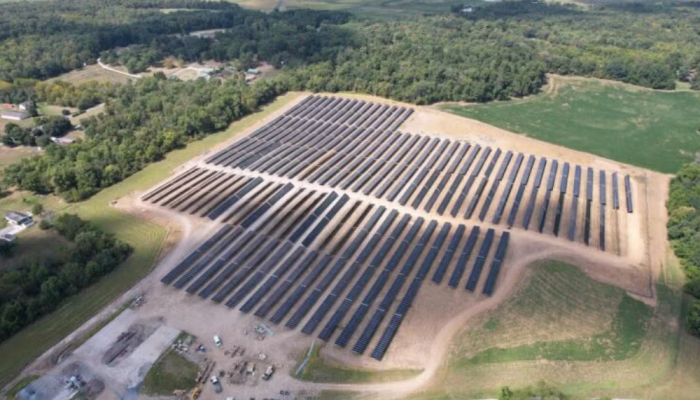
- 30% of City operations are now powered by renewables. Through a power purchase agreement with the Philadelphia Energy Authority and Energix Renewables, the City launched the Adams Solar Project in 2024. With this 70-Megawatt solar farm, 30% of municipal electricity comes from renewable energy. Building on this success, the City also signed a power purchase agreement with the Abes Run Solar project, which will deliver another 5% of clean electricity when completed in late 2026.
- Streetlights citywide are now better, brighter and energy efficient. The Philly Streetlight Improvement Project (PSIP) converted 130,000 streetlights into modern and efficient LEDs on a lighting management system. PSIP is the largest energy conservation project in City history. It was completed in 2025 through a partnership with the Department of Streets and the Philadelphia Energy Authority.
- Municipal buildings continue to lead by example with energy efficiency and sustainability. Recent renovation projects at Engine 37 and the Mann Older Adult Center/Rivera Recreation Center have achieved LEED Gold certifications, the new standard set for City buildings in 2023.
As energy costs rise and climate impacts worsen, we are working to keep energy more affordable and reliable for City operations. By improving how we manage energy, we can conserve energy in City facilities and continue to provide essential public services, even during extreme weather conditions.