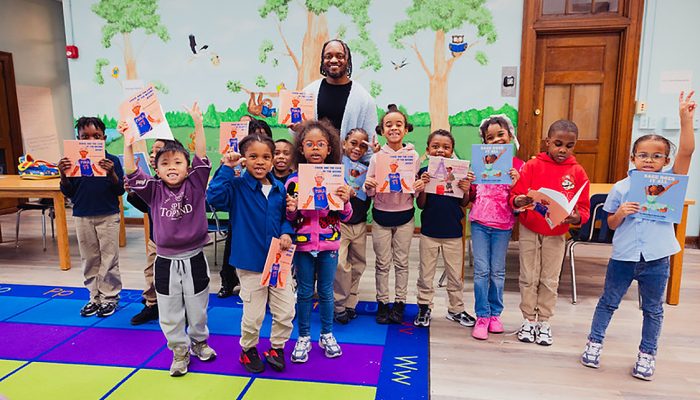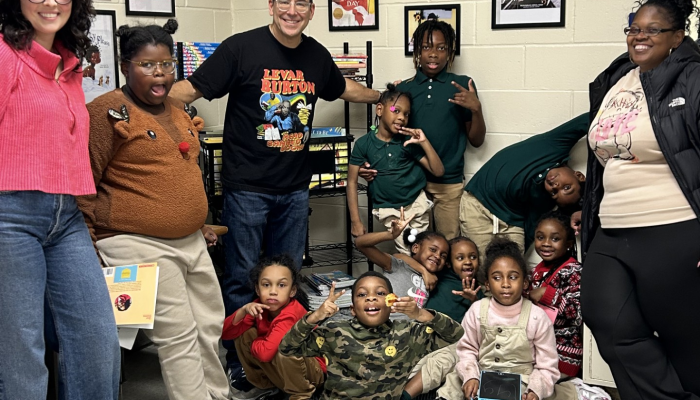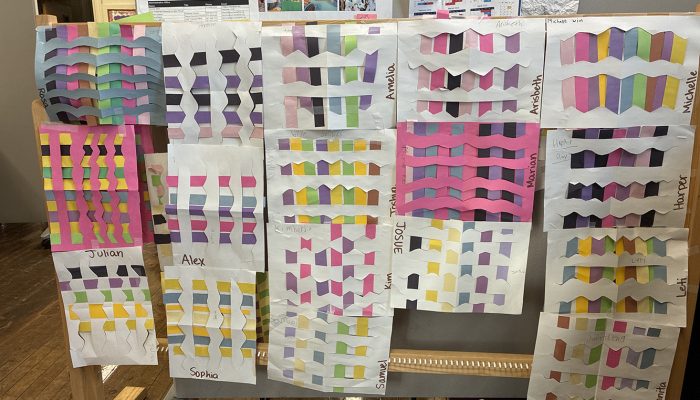
When the school day ends, learning doesn’t have to stop; it can shift. Across Philadelphia, Out-Of-School Time (OST) programs give young people safe spaces after school to explore their interests, build skills, and connect with their communities. One program doing exactly that is the University Community Collaborative (UCC), an OST provider housed at Temple University.
UCC offers after-school programs for middle and high school students from across the city. Through hands-on projects and group discussions, students explore real issues that affect their lives, schools, and neighborhoods. The program encourages youth to speak up, work together, and take action on topics they care about.
Learning After School, Building Leadership
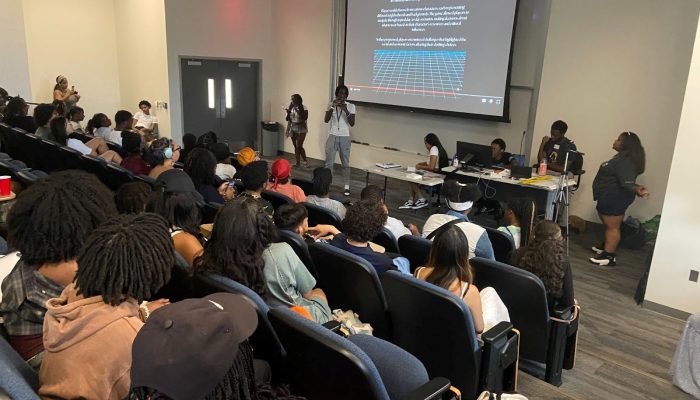 At UCC, OST programming goes beyond homework help. It’s about giving young people time and space after school to ask big questions, develop their voices, and turn ideas into action.
Students research community issues, share their ideas, and work as a team to find solutions, all while learning how to communicate, collaborate, and lead.
These after-school experiences help students grow both academically and socially. They also give young people the tools they need to advocate for themselves and others.
Growing Leaders From Within
One of UCC’S defining strengths as an OST provider is its intentional leadership pipeline. Many students who first join UCC after high school continue their journey well beyond graduation.
Through OST programming, students can transition into paid facilitator roles, mentoring younger students and helping lead activities they once participated in. Some facilitators later advance into full-time coordinator roles within the program.
Today, UCC employs four full-time staff members who began their involvement in the program as high school or college students, an approach that ensures the program remains youth-centered, culturally responsive, and grounded in lived experience.
Staff Spotlight: From OST Participant to Program Leader
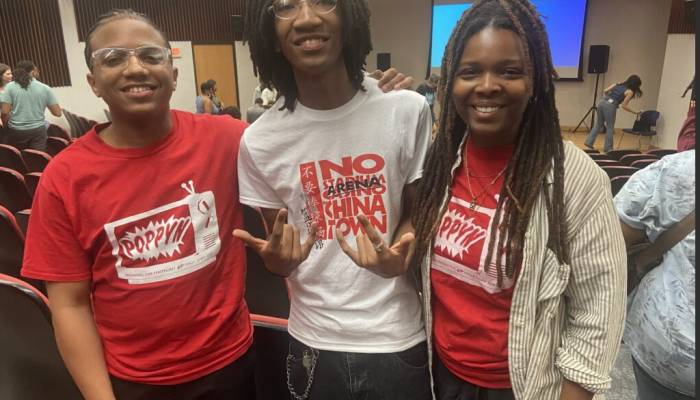
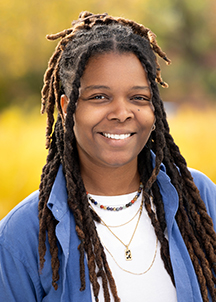 Stormy Kelsey, POPPYN Coordinator, first joined UCC as a high school sophomore through its after-school programming.
“UCC was the first space where I could engage in meaningful dialogue about the social issues I was experiencing firsthand,” Kelsey shared. “Growing up in Philadelphia, I faced systemic barriers without having the language or tools to address them.”
Through OST programming, Stormy developed advocacy, leadership, and facilitation skills. After graduating from high school, she remained connected as a program facilitator, mentoring students like herself, before eventually moving into a coordinator role. Nine years later, after earning her bachelor’s and master’s degrees from Temple, Stormy now designs and leads OST programs that empower young people to critically examine social issues and work toward collective action.
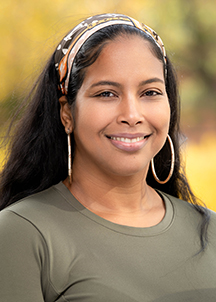 For Helana Esdaile, VOICES Program Coordinator, UCC opened doors she hadn’t previously imagined.
Introduced to UCC as a high school junior, Helena spent her after-school hours collaborating with students from across the city on creative media projects through the VOICES program.
“Being on Temple’s campus and learning alongside college students expanded my understanding of mentorship and what college life could look like,” Esdaile shared.
Through OST programming, Helena developed a passion for media production and storytelling, skills she later passed on as a Learning Coach while mentoring high school students. That experience influenced her decision to transfer to Temple University and major in Media Production. Today, returning to UCC as the VOICE Program Coordinator represents a full-circle moment, with OST serving as the foundation of her professional journey.
The Impact of UCC’s After-School Programs
UCC’s after-school programs show what’s possible when OST is designed with youth, not just for them. By combining civic engagement, creative expression, mentorship, and leadership development, UCC helps young people use their after-school hours to build skills that last well beyond the school year.
Through OSR, students don’t just participate; they lead.