The Medical Reserve Corps (MRC) program was founded in July 2002. It is part of a national initiative that provides a structure for volunteers to offer their expertise and serve as a team during times of emergency or need in their own community.
Each MRC is a local volunteer unit that brings together people who have medical, public health, behavioral health or other skills to supplement existing health and emergency response personnel. This team of volunteers is trained and available to respond locally in a public health emergency.
MRC units exist across the country, in urban, suburban, and rural areas. Each MRC unit conducts its role in the way that best suits the unique challenges for its area. Members may also choose to support communities in need in other areas of the state or country, as many did during hurricanes Katrina and Rita.
The Medical Reserve Corps program office is headquartered in the Office of the U.S. Surgeon General. It functions as a clearinghouse for information and best practices to help communities establish, implement and maintain MRC units across the nation. Learn more about the national MRC program.
The Philadelphia MRC is a group of medical, public health, and other volunteers who are ready to serve Philadelphia during public health emergencies or other time of need.
The Philadelphia MRC now has about 600 active members who are trained, credentialed, and ready to respond when needed. Members stay prepared by:
Volunteers may be asked to respond during large and small-scale emergencies, such as an influenza pandemic, a bioterrorism event, a severe storm that requires the City to open mass shelters, or other event that overwhelms community resources.
The Philadelphia MRC makes every effort to match the emergency roles of volunteers with their professional skills and licensure. In addition, all volunteers are given specific training for response and, if necessary, are provided with medication, vaccine or equipment to protect themselves.
Everyday heroes like you help keep safe and prepared. Join the MRC. The time commitment is small, the training is free, and joining is easy!
1. Submit an online application by clicking here.
2. Attend an orientation session.
3. You’re ready to go! In an emergency you’ll be called upon to help.
Once you sign up online, all of the training for the MRC is offered for free. Volunteers are asked to participate in one required and several optional trainings each year.
Events and training opportunities are also listed on the Philadelphia MRC Calendar.
The only mandatory commitment is a half-day volunteer orientation, though Philadelphia MRC volunteers could be called at any time for an emergency.
Philadelphia MRC will offer several optional trainings throughout the year. These optional trainings are a great way to stay up-to-date by learning about public health preparedness, terrorism threats, emerging diseases, pandemic influenza and other important topics. Plus, they are a perfect opportunity to earn continuing education credits!
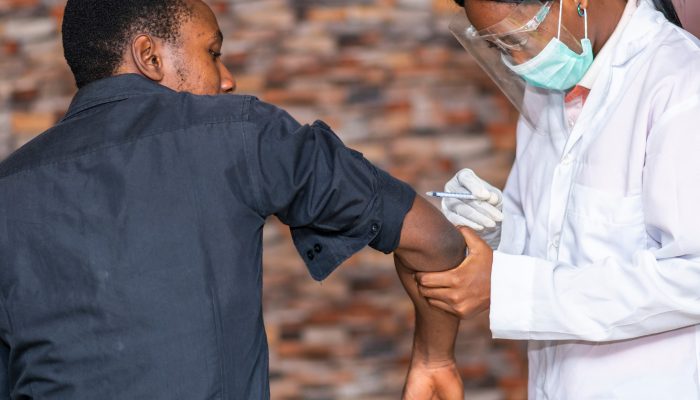
A few times a year, Philadelphia MRC volunteers may also be invited to participate in vaccination clinics or emergency preparedness drills and exercises.
In the event that Philadelphia Medical Reserve Corps members are called to respond to an emergency, the expected time commitment of volunteers will depend on the scale of the emergency, as well as other events are happening at the time.
For some health emergencies, it may be as little as a few hours. For large-scale events like a major disease outbreak, the Philadelphia MRC may mobilize volunteers to work 12-hour shifts over several days.
If you are called to respond, you will have the opportunity to learn more about the specific event and the commitment required. Then, you may decide whether or not you are able to participate.
The MRC Volunteer Alert Network is a system used to send notifications and emergency alerts to volunteers. This system can send e-mail and text messages to registered users.
The Philadelphia MRC uses the alert network system to periodically maintain contact with volunteers, to communicate about training opportunities and to share the quarterly newsletter, "The MRC Minute."
During an emergency, the Philadelphia MRC will send an alert to volunteers asking them if they can respond and telling them when and where to report.
Registered members may log on to the MRC Volunteer Alert Network.
If and when Philadelphia MRC volunteers are needed, they will be officially called to respond by the Philadelphia Department of Public Health.
Suggested online training:
Federal Emergency Management Agency (FEMA)
Online training modules on various topics including Incident Command System IS-100 and National Incident Management System (NIMS) IS-700.
National Association of County & City Health Officials (NACCHO)
Programs and activities on emergency preparedness and response, Strategic National Stockpile, and infectious diseases.
North Carolina Center for Public Health Preparedness (NCCPHP)
Free, short, Internet-based trainings on public health preparedness topics such as disease surveillance, basic epidemiology, bioterrorism and new/emerging disease agents.
Medical Reserve Corps, national program site
Pennsylvania Department of Health
Pennsylvania Emergency Management Agency
American Red Cross-Southeastern Pennsylvania Chapter
Voluntary Organizations Active in Disaster of Southeastern Pennsylvania (SEPA VOAD)
Federal Emergency Management Agency
Centers for Disease Control and Prevention (CDC)
US Department of Health and Human Services-Office of the Surgeon General
US Department of Health and Human Services
US Department of Homeland Security
Center for Infectious Disease Research and Policy (University of Minnesota)
University of Pittsburgh Medical Center-Center for Biosecurity