|
HEALTH Early Maternal Health Today's health care centers in some ways have their origins in the Department of Public Health's initial efforts in the early 1900s to reduce the city's infant mortality. In 1909, it was reported that one-third of all infants born alive in the city died before their fifth birthday. Epidemic summer diarrhea was a leading cause of childhood death. At that time, the Department established milk stations where mothers could get clean milk for their babies and obtain advice on infant feeding. Free clinics for maternal hygiene were also established in the community centers. The Division of Child Hygiene was set up in Department in 1910. Child health clinics opened and public health nurses were used for the first time for Department activities. As immunizations became available for childhood diseases, they became a regular function at the clinics as well. By the 1940s, the functions of the Division of Child Hygiene included health supervision of children through regularly scheduled physical exams, visits by public health nurses to the homes of newborn infants and prenatal women and the supervision of boarding (foster) homes and day care facilities for children. The Department of Health and Charities distributed free ice to sick children and poor families during periods of hot weather.
Bureau of Health eye clinic, 1910. The first eye clinic for the detection and correction of visual defects in school children was established by the Bureau of Health in 1907.
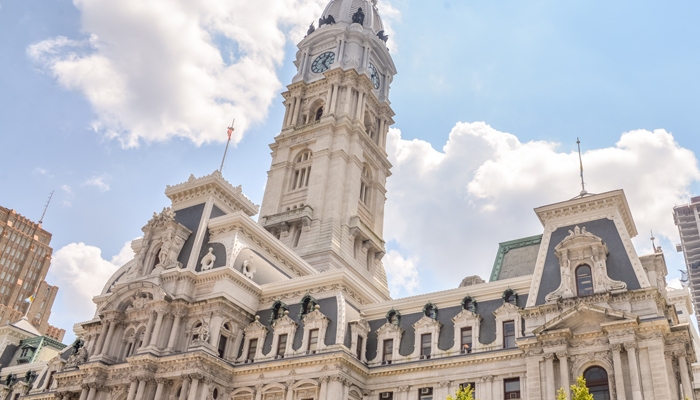
Bureau of Health dental clinic, 1910. The Bureau of Health was given city funding to open a dental clinic in 1910. Located in City Hall, the clinic was staffed by 60 Philadelphia dentists who volunteered their services. By 1920, additional clinics were opened at two new health centers. Services were restricted to those children of parents who could not afford dental care.
Women and children attending hygiene class presented at health clinic, 1917. Through home visits and clinic lectures public health nurses taught mothers of young children the value of cleanliness, proper ventilation, good nutrition and sunshine and the need for the observation of quarantine regulations for contagious diseases.
Baby Health Exhibit sponsored by the Bureau of Health, Division of Hygiene, 1917. Annual Baby Health Exhibits were presented in numerous different localities in the city including the Bureau's health centers, churches, and schools. The exhibits included lectures and demonstrations and usually remained in each location for at least one month.
Application for midwife's license The Board of Health was responsible for reviewing applications and issuing midwives licenses until the State assumed authority in 1912. After that time the Bureau's maternal health clinics did continue to dispense ampules of silver nitrate to the midwives for care of the newborn's eyes.
Chart exhibiting the total deaths of children in Philadelphia under the age of one, 1914. From this chart it can be noted the sharp increase in diarrhea and enteritis during the summer months due to milk spoilage. Through lectures, printed materials, newspaper stories and home visits, the Division of Child Hygiene worked to get out the message "Keep the Milk Cold!"
School bus for physically handicapped students, 1923. The Bureau of Health worked with the Philadelphia Board of Education to provide special learning classes for tubercular, poorly nourished, and physically handicapped students. The orthopedic classes operated very successfully once the transportation problems were solved using buses such as this one that carried students to their classes at the Meade School. |
| |
|
|
|
|