HEALTH

Division of Disease Control

Disease control is one of the oldest and most important functions of Philadelphia's Department of Public Health. Through the smallpox and diphtheria epidemics of the 1800s to the Victory-Over-Polio campaign of the 1960s, the Department has worked to reduce and eliminate disease in Philadelphia.

Today the Department's Division of Disease Control is responsible for the citywide surveillance and follow-up of 57 diseases and medical conditions that threaten the public health. Services include acute communicable disease control through case finding and implementation of appropriate disease control strategies, as well as diagnosis and treatment of sexually transmitted diseases (STDs) in a separate STD clinic (the largest in Pennsylvania). The Division also conducts citywide childhood and adult immunization programs. One of the goals of the immunization programs is to maintain a "zero" incidence of vaccine-preventable diseases such as measles, diphtheria, polio and tetanus in the city.

The Philadelphia Department of Public Health administered polio vaccine to thousands of children in the city's public, private and parochial schools during the mid-1950s. During the later part of that decade, the Department launched a vast door-to-door campaign in neighborhoods where most cases of polio occurred. Although these campaigns did much to reduce incidence of polio in the city, a flare-up in 1963 resulted in the Department's Victory Over Polio Campaign during which almost 3.5 million doses of monovalent oral polio vaccine were administered.

The primary goal of the Division's childhood immunization program is to ensure that all of Philadelphia's children are immunized against vaccine-preventable diseases by their second birthday (24 months of age). For 1998, Philadelphia's preschool immunization rate was 80%; Philadelphia is one of only six cities nationwide with immunization rates of 80% or higher. Immunizations are provided at the city's health care centers, regardless of a person's ability to pay.

Hypodermic Jet Injection Apparatus made it possible to immunize large numbers of people in a short period of time.

Vaccines for diphtheria, pertussis, and tetanus were developed in the 1920s. Beginning in 1950, a new triple vaccine for diphtheria, pertussis, and tetanus toxoid was used for the first time. Vaccination for smallpox was discontinued in the United States in 1971 as the disease has been eradicated world-wide due to the success of the international vaccination program. Measles, mumps and rubella vaccines were developed in the 1960s.

In 1941, a Division of Venereal Disease Control was created within the Health Department. Sexually transmitted diseases represented a growing threat to public health during and following the Second World War. Syphilis topped the list of reportable contagious diseases for the years 1944-1948.

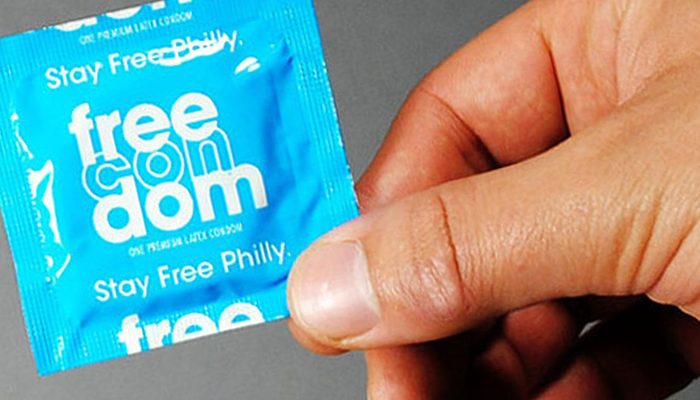
The Philadelphia Sexually Transmitted Disease Control Program has noted significant progress in the reduction of the incidence of major sexually transmitted diseases in the city. In 1998, only 89 cases of infectious syphilis were reported representing a continuing trend in the disease's decline. However sexually transmitted diseases, including gonorrhea and chlamydia, continue to be major health problems in Philadelphia.